
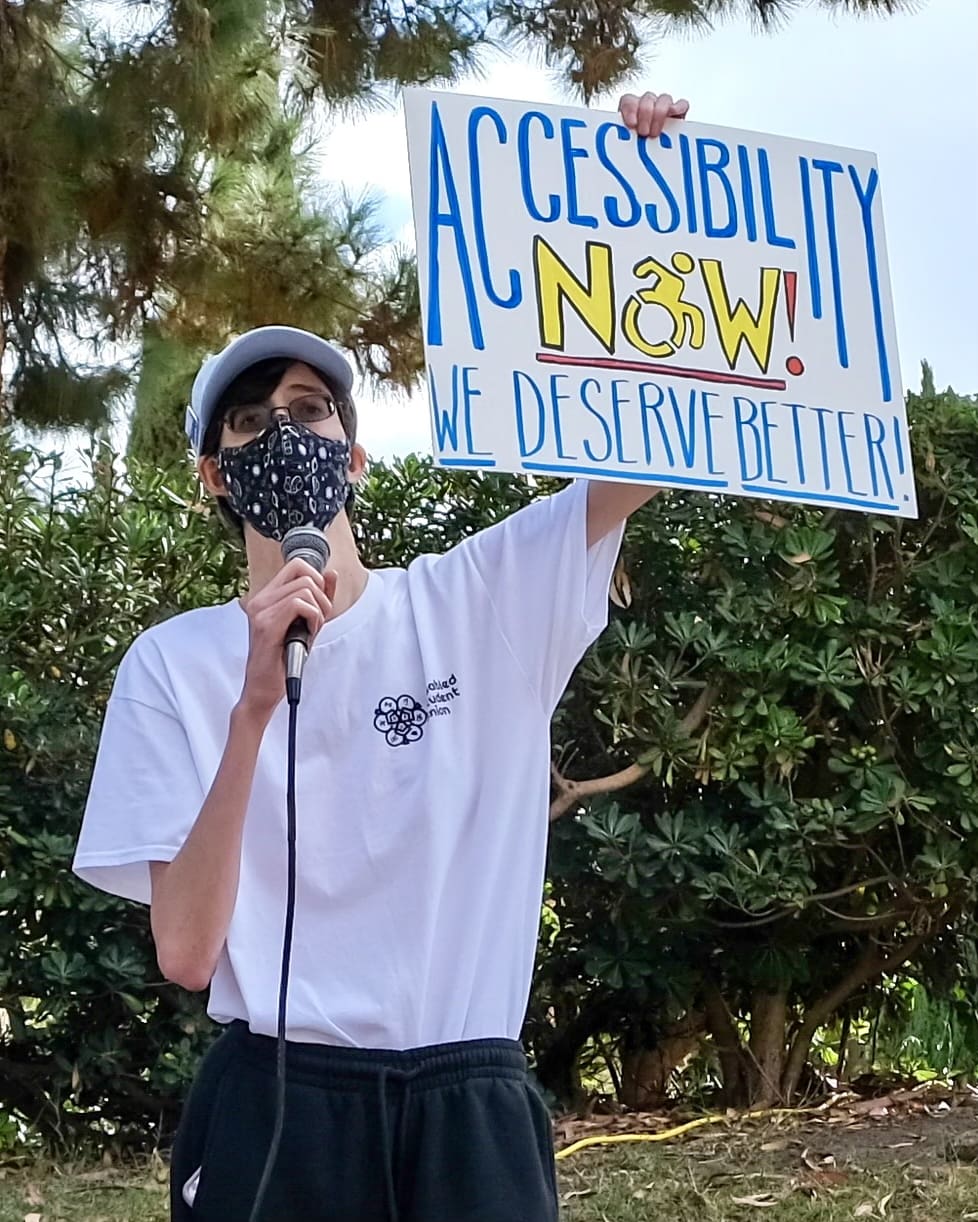
Exist Loudly
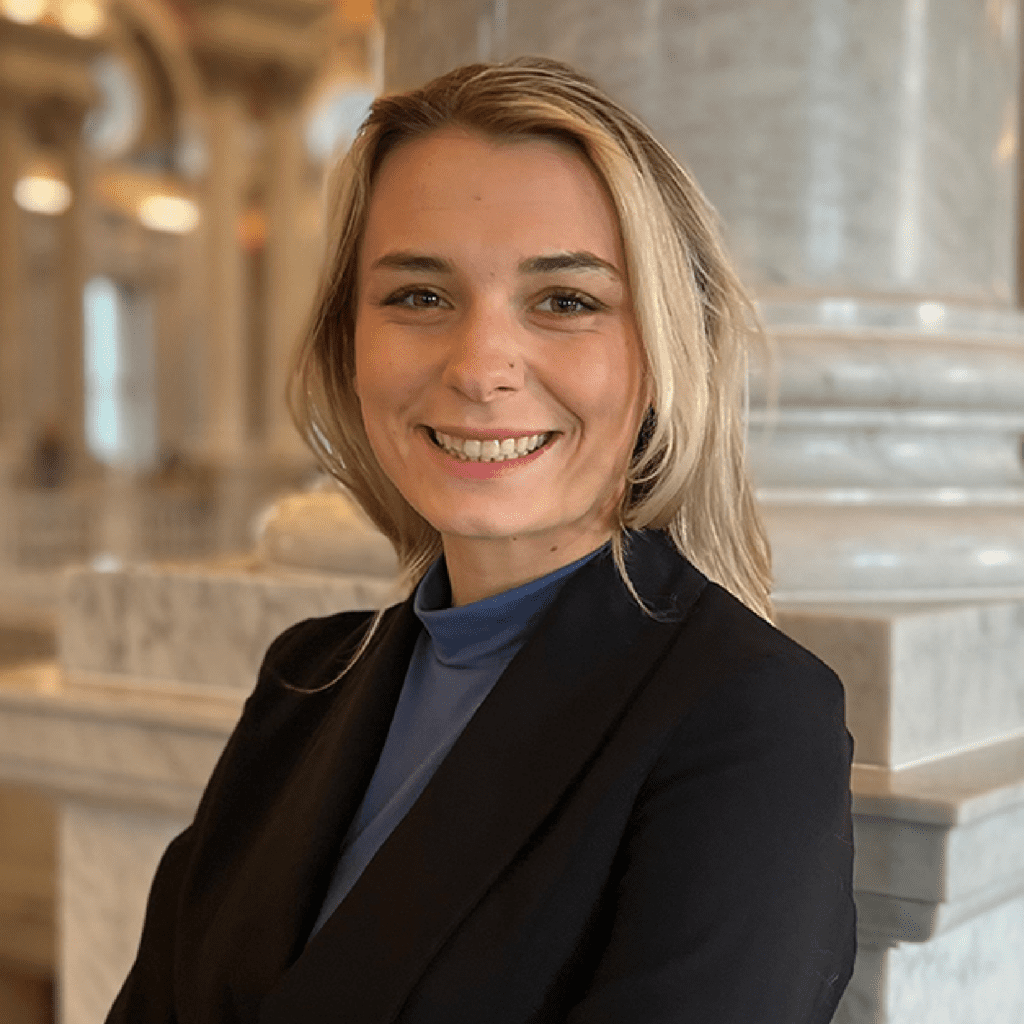
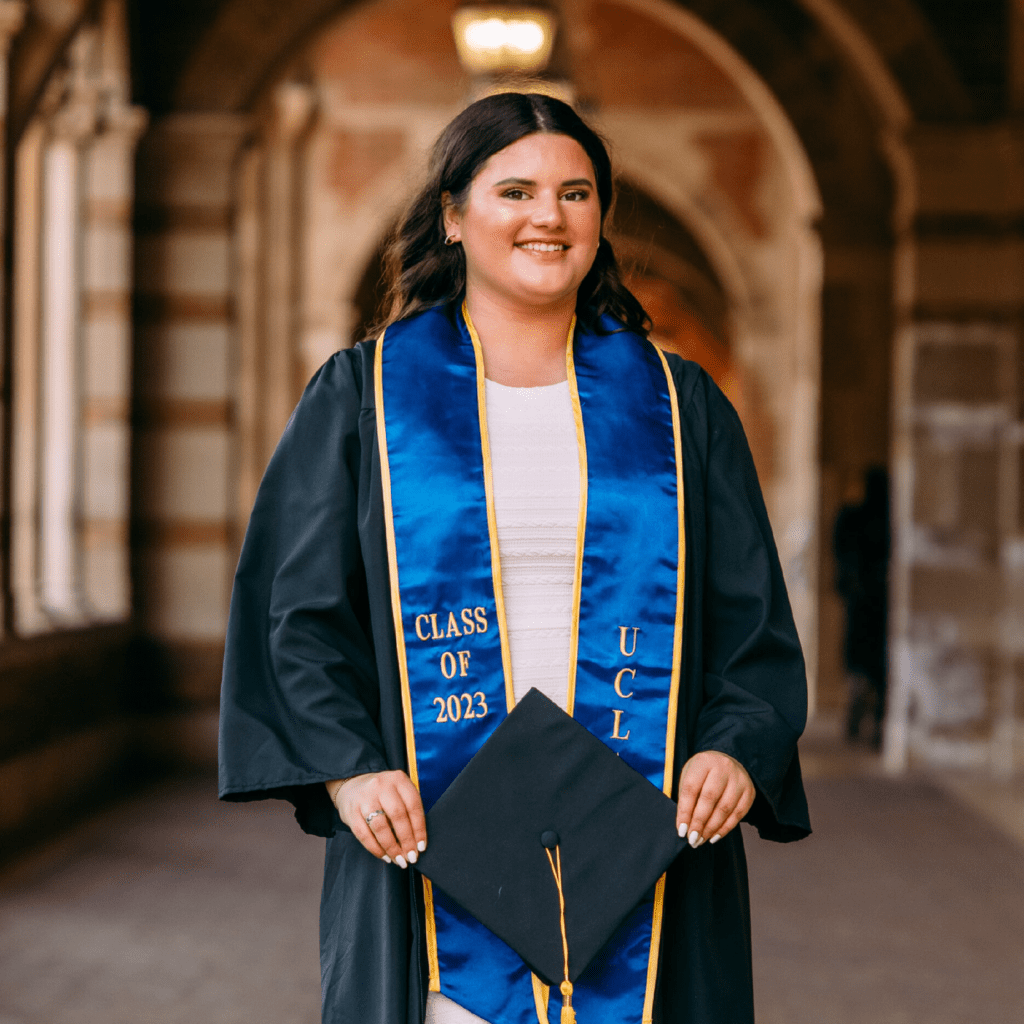
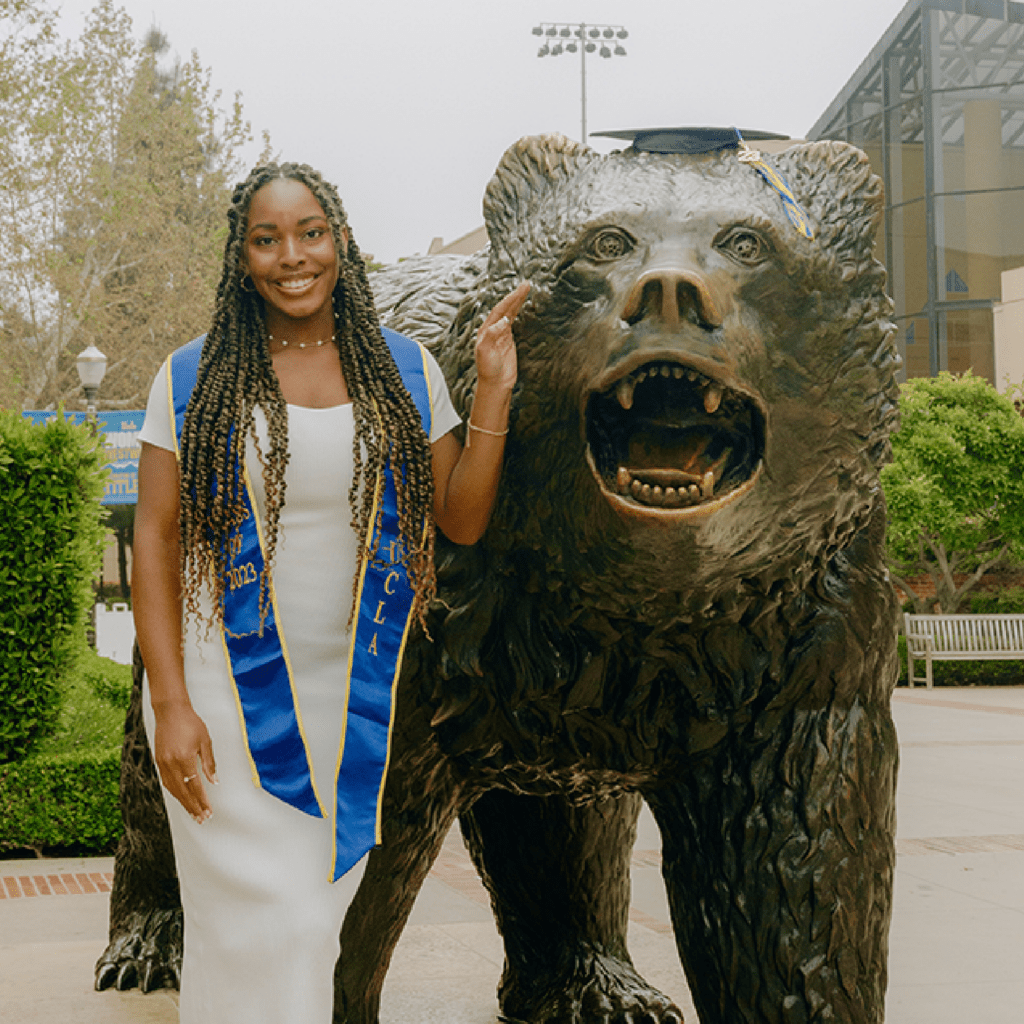
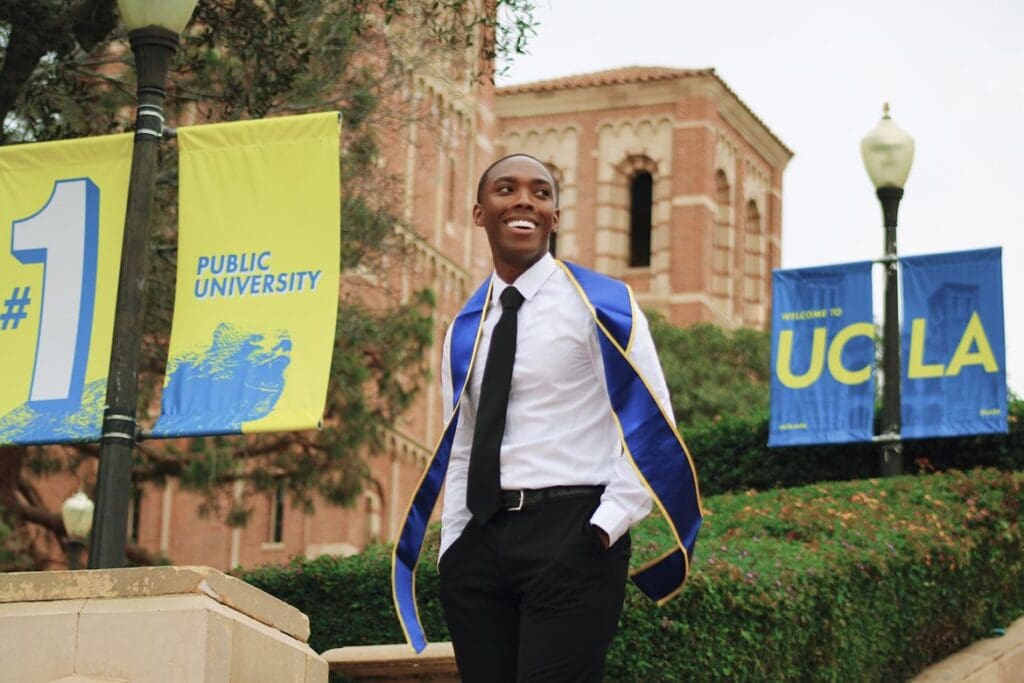
“I hope my UCLA College legacy is standing up for marginalized communities and screaming in the face of rejection, inaccessibility and dehumanization. I exist loudly so people like me know they are not alone.”
Christopher Ikonomou ’23 | Communication | Disability Studies Minor
I remember not being sure if I was making the right decision. The physical inaccessibility of campus coupled with feeling that my major wasn’t right for me were crushing in my first quarter. I changed my major and minor half a dozen times before I ended up with a combination that truly interested me and the relief was immeasurable. The food was unmatched the whole time and I met my best friend through random roommate assignment, so it wasn’t all stress.
Read More
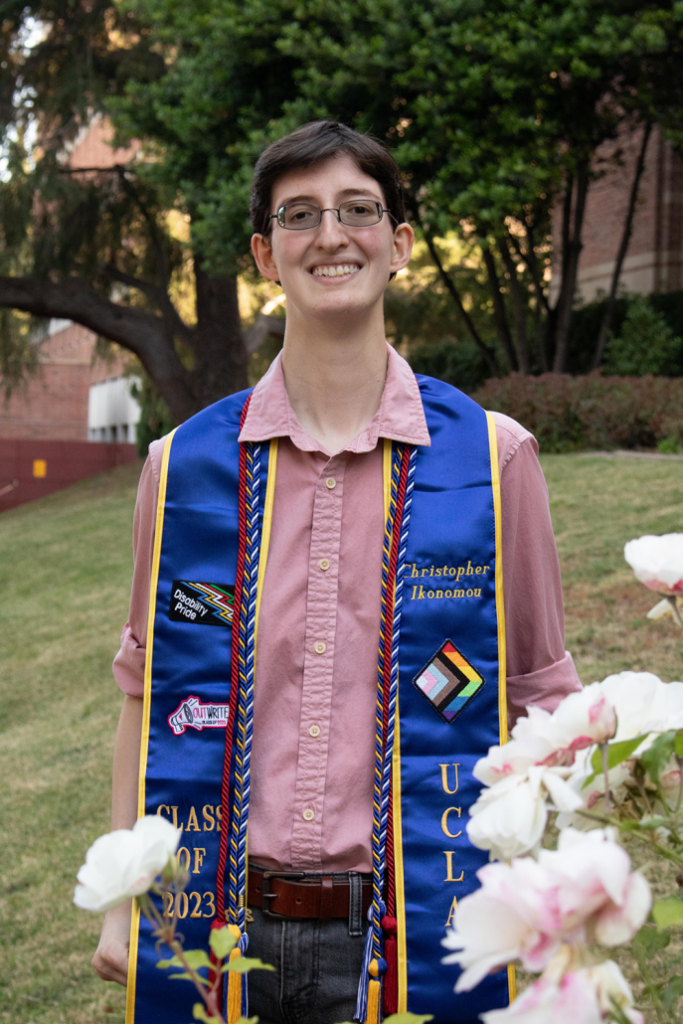
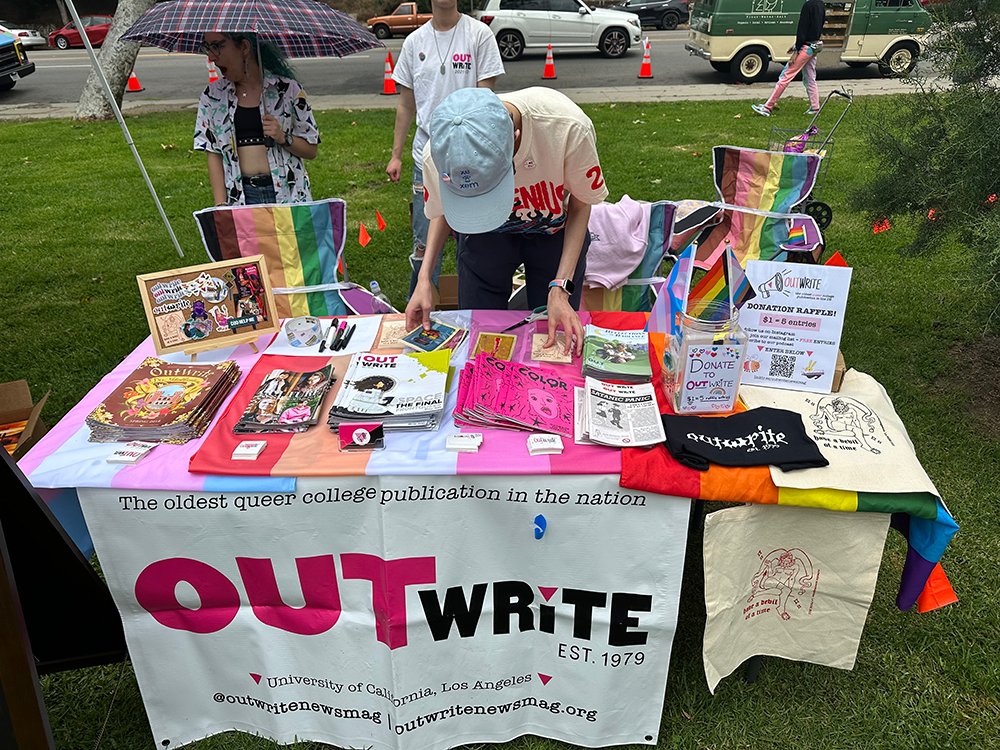
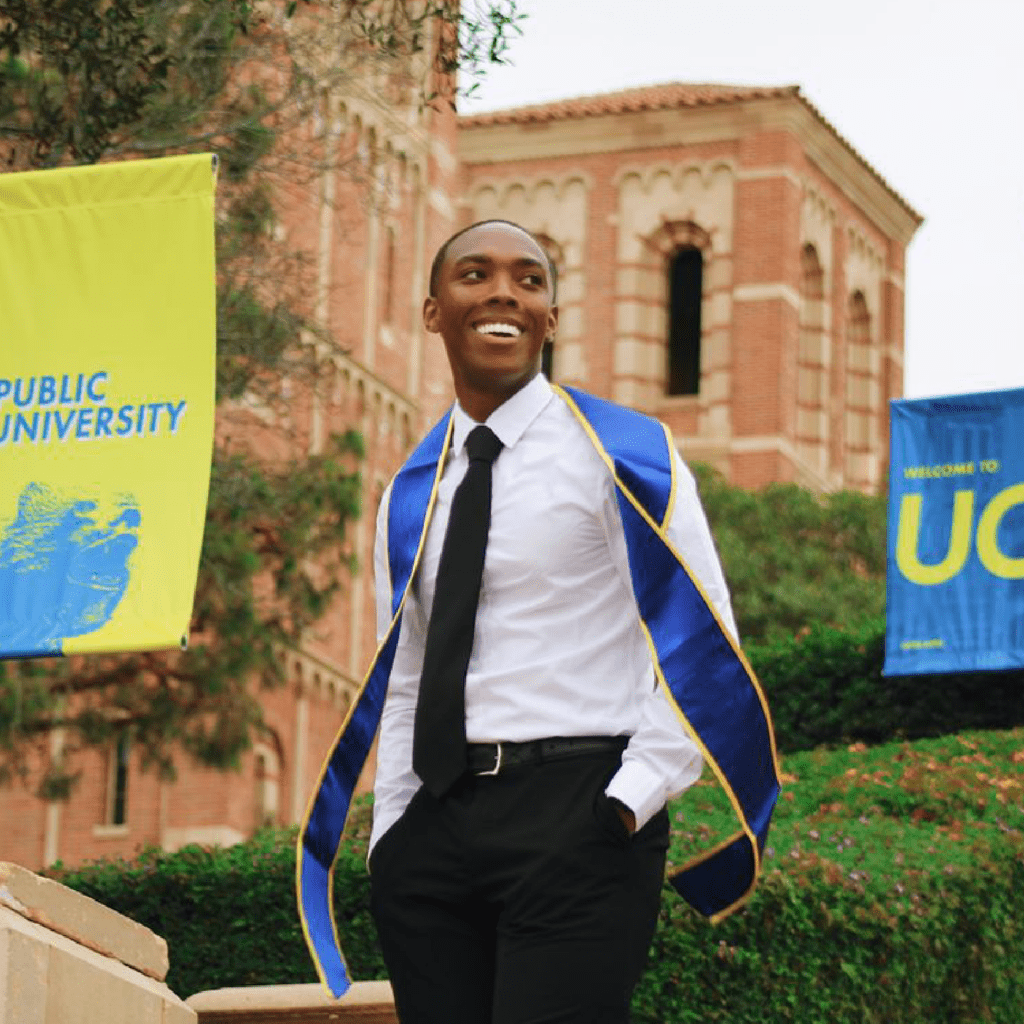
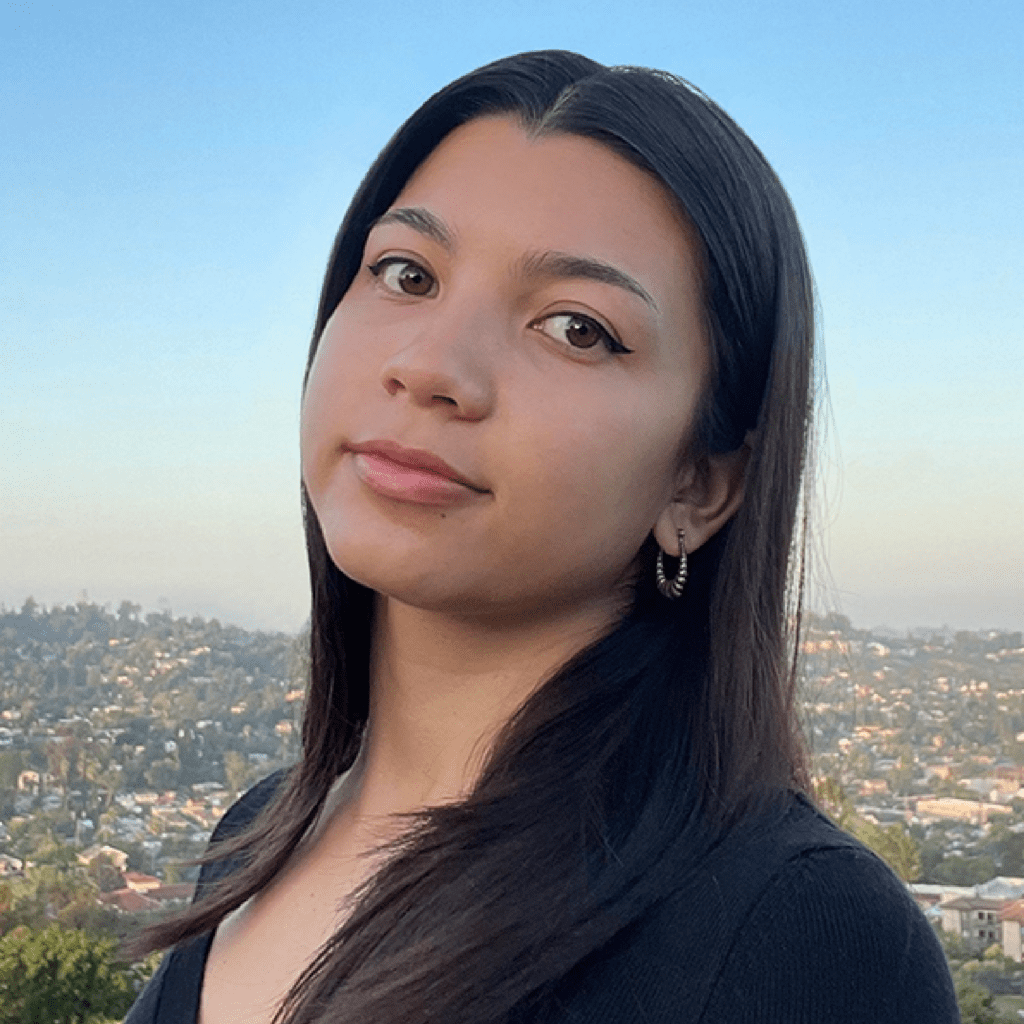
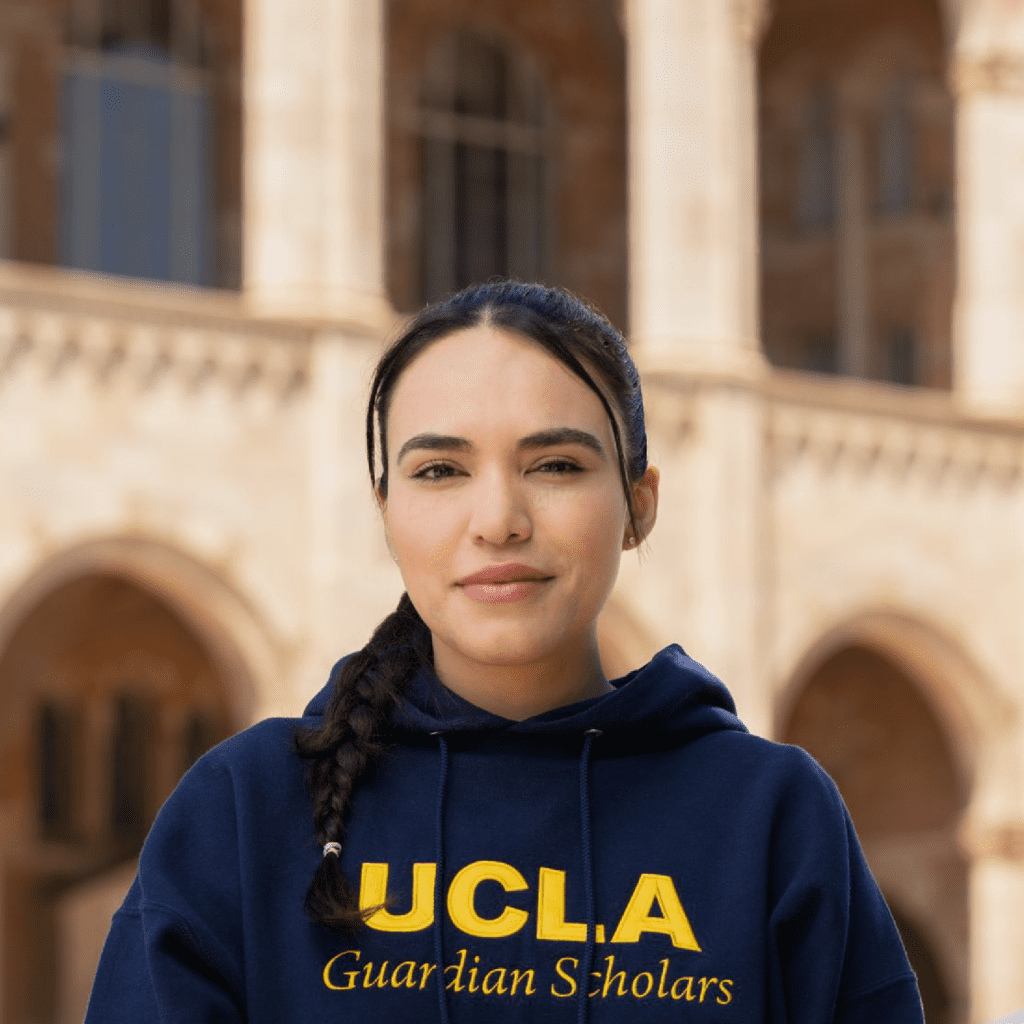
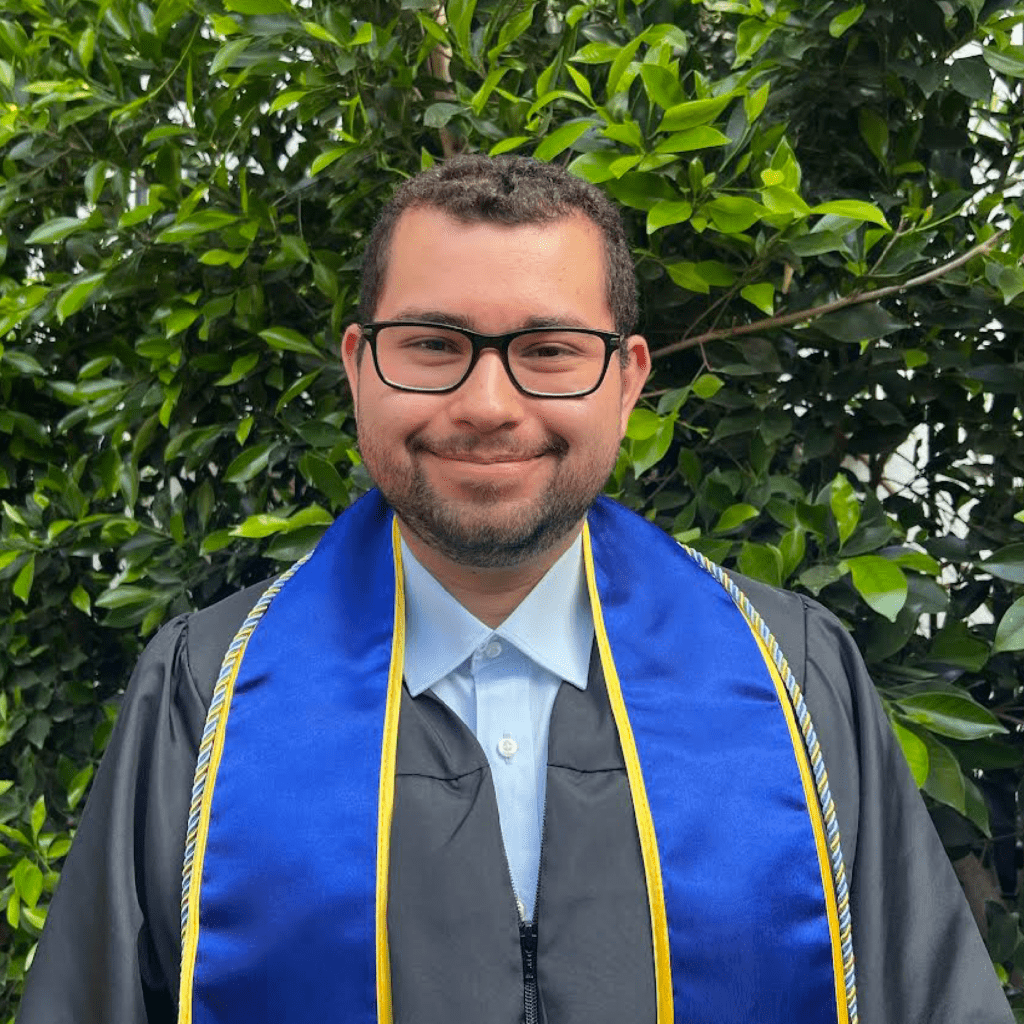
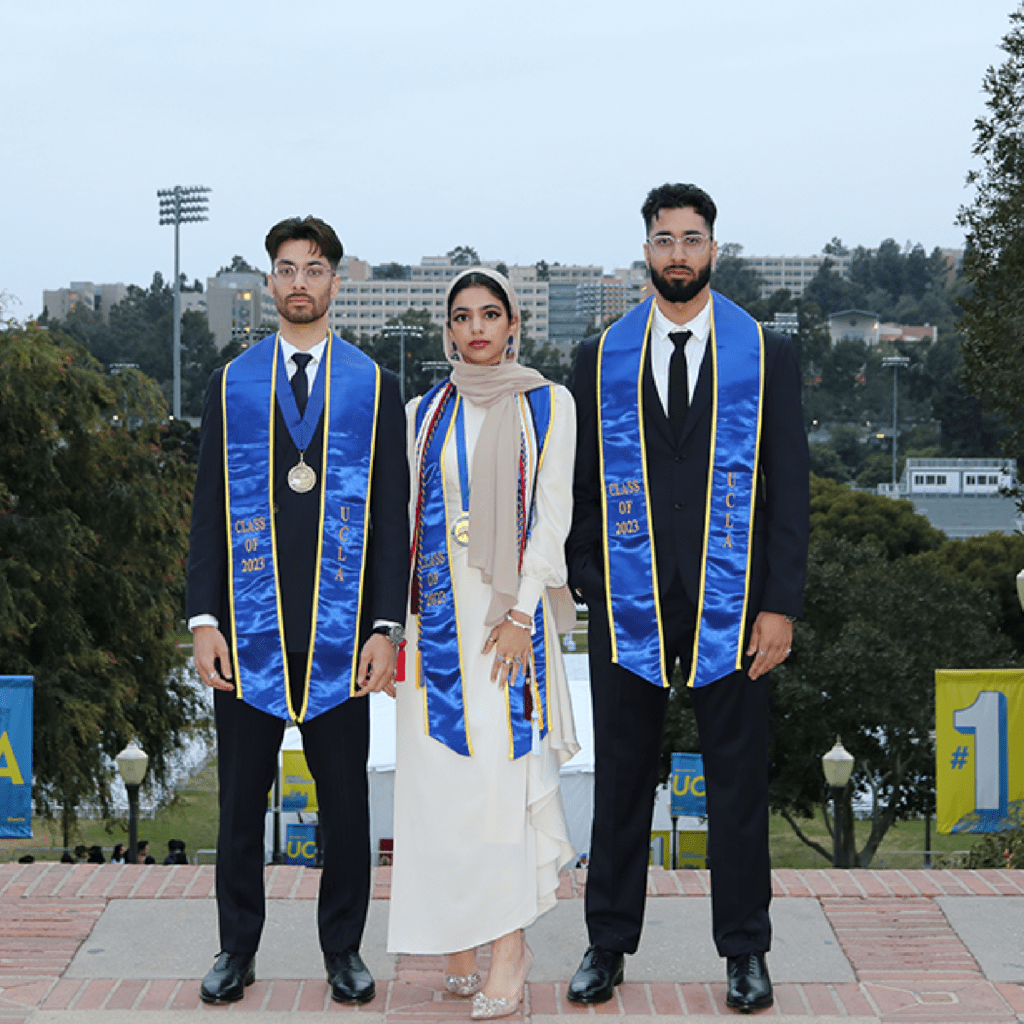
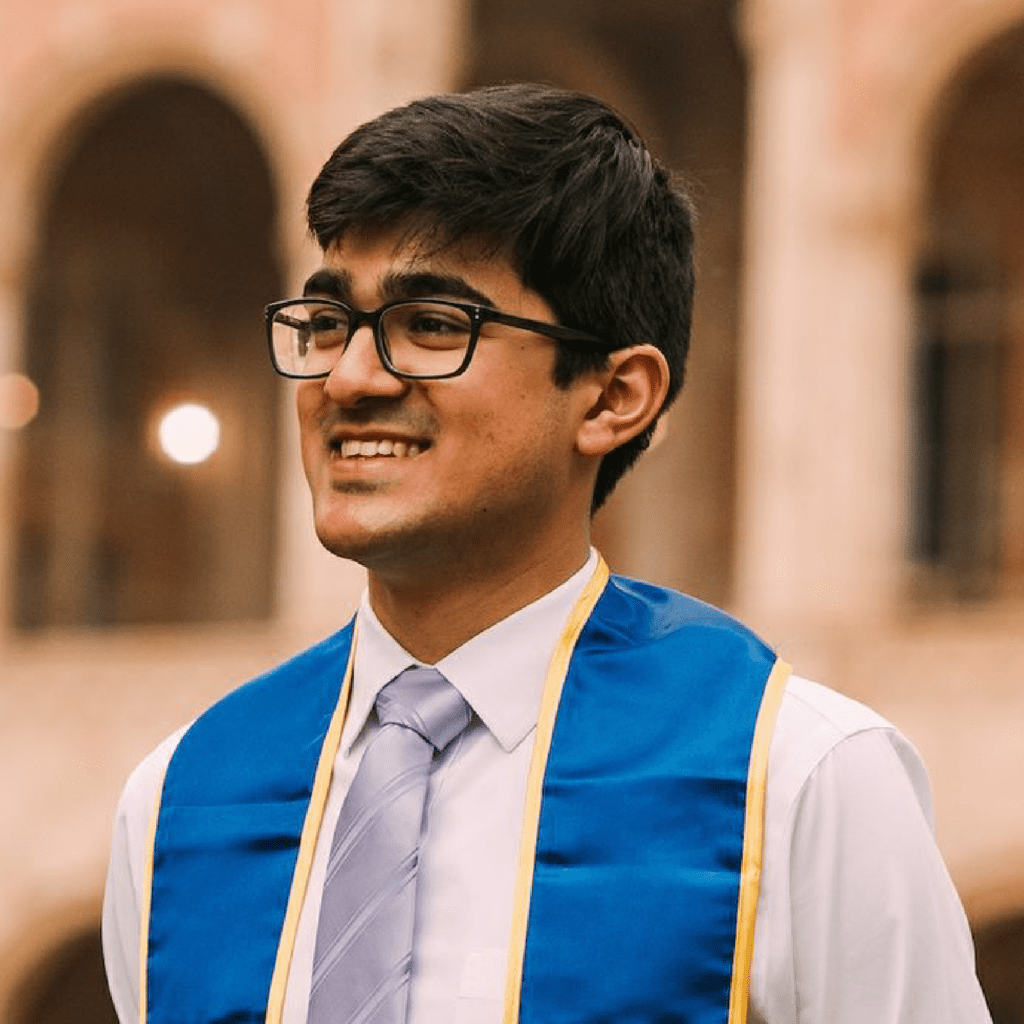
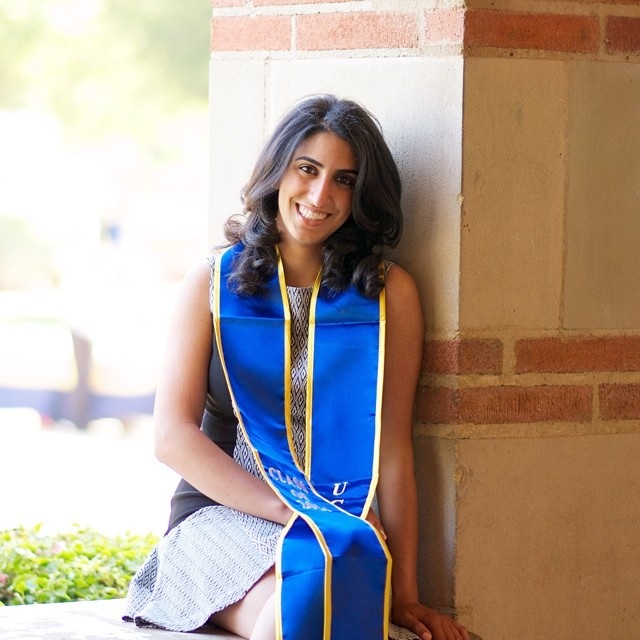
Push Boundaries
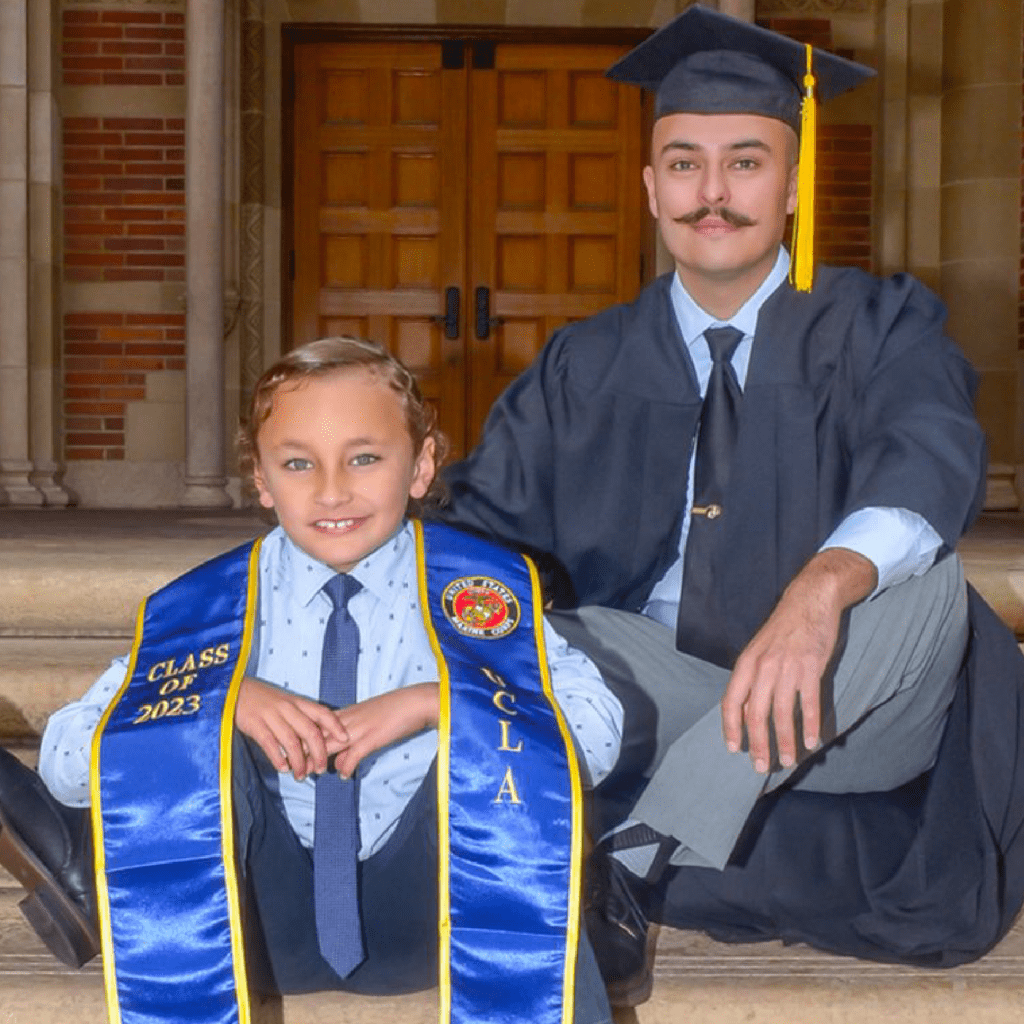
“I hope my legacy is that I was dedicated to my academics, I wanted to flourish — but I also really wanted to be involved in different parts of campus: research, internships, giving back. I want my legacy to be one that’s both academically driven and involved in other very important aspects of campus.”
Jessica Kianmahd Shamshoni ’14 | Psychology | Disability studies minor
I remember being a little overwhelmed by all the opportunities, but excited that I finally could study what I loved, choose my own classes, make new friends and explore campus. My parents met at UCLA, so I was obsessed with being a Bruin to begin with, and my older brother was already a student there as well. It was just so exciting to finally be a Bruin like others in the family. Within the large campus, I found smaller communities that made me feel at home and were an avenue for meeting some of my dearest lifelong friends.
Read More
My favorite spot on campus was Kerckhoff Patio. I loved to do work outside or take a break and have lunch, and there was always somebody you knew walking by. It was relaxing when it needed to be, and intense with work when it needed to be. It was nice to have a place everyone could enjoy and take a breather in the midst of so much.
I came into college knowing I wanted to pursue a profession in the healthcare field, but I wasn’t sure exactly what that would be. That being said, I had my heart set on pursuing a psychology major; I’d loved the topic of psychology in high school, and dedicated a lot of time to working with kids with disabilities. As an undergraduate, I worked in the lab of one of my psychology professors, Dr. Steve Lee, and I eventually became his lab manager when I graduated.
At the same time, I was also in the Fernald Child Study Center Research Intern Program directed by Dr. Bruce Baker. I loved being involved in research and seeing an idea turned into a research question, then into a project and later into useable results. Some classmates and I were accepted to present our undergraduate research poster at UCLA and some other campuses, which was such an empowering experience as an undergraduate.
Freshman year, I took a Fiat Lux course taught by two genetic counselors, Dr. Christina Palmer and Michelle Fox, both of whom are still colleagues and mentors of mine. That’s where I first learned about genetic counseling and fell in love with the profession. Dr. Palmer, the Director of the UCLA M.S. in Genetic Counseling Program, was the faculty advisor for a student group that I helped to start and lead, the UCLA Genetic Counseling Student Interest Group. Eleven years later, it’s still running very strong, has grown so much and has helped many students pursue a career in genetic counseling. I’m very proud of this group.
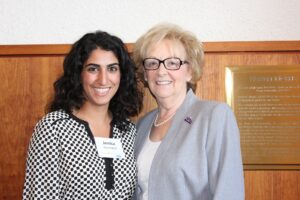
I love and am committed to teaching and education; after five years as a clinical genetic counselor at the David Geffen School of Medicine at UCLA, I now dedicate my time as teaching faculty for the UCLA M.S. in Genetic Counseling Program. I see this as a beautiful full circle!
I didn’t know about the disability studies minor until a year or two into my time at UCLA, but adding the minor ultimately played an integral role in my personal and professional life. It allowed me to focus on a particular area I was interested in, create important relationships with faculty and put knowledge into practice.
I also was a counselor with Camp Kesem for three of my undergraduate years. It’s a weeklong sleepaway camp for kids of all ages whose parents have or had cancer. It was very special for me to be part of a group of energetic, giving, loving, empathic classmates committed to this cause — everyone’s creativity, excitement and compassion shined. I’m so grateful that I had opportunities to connect with students of different backgrounds, ages, majors and interests in a unified cause that was meaningful to all of us for varying reasons.
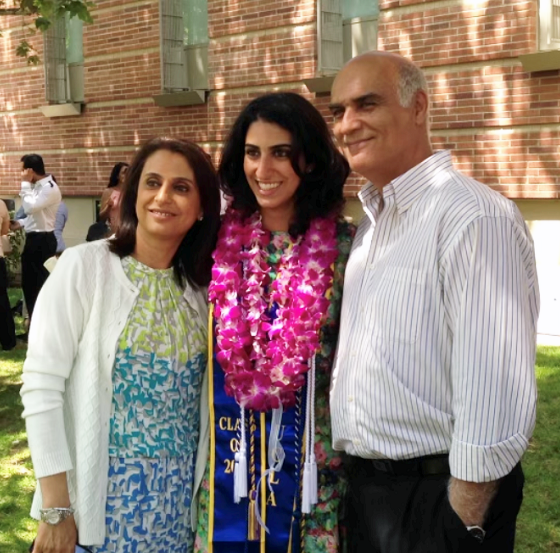
The disability studies minor shaped such an important part of my career path, and I’m grateful for having been able to add an academic lens to something that is personally meaningful. Being able to do an internship at the same time as the coursework and the capstone project really helped me put what I was learning in the classroom into effect. The opportunities at UCLA were vast, and I very much appreciated that.
I hope in the next century we have a campus where more students have access to opportunities and there are respectful, empathic, open conversations to push the boundaries in a productive way. For example, I want us to support people with disabilities with respectful and productive conversations, discussion and action. I hope to see students take their passion for their interests and do good with it — that we have a world we all work to improve using our own capacities and interests.
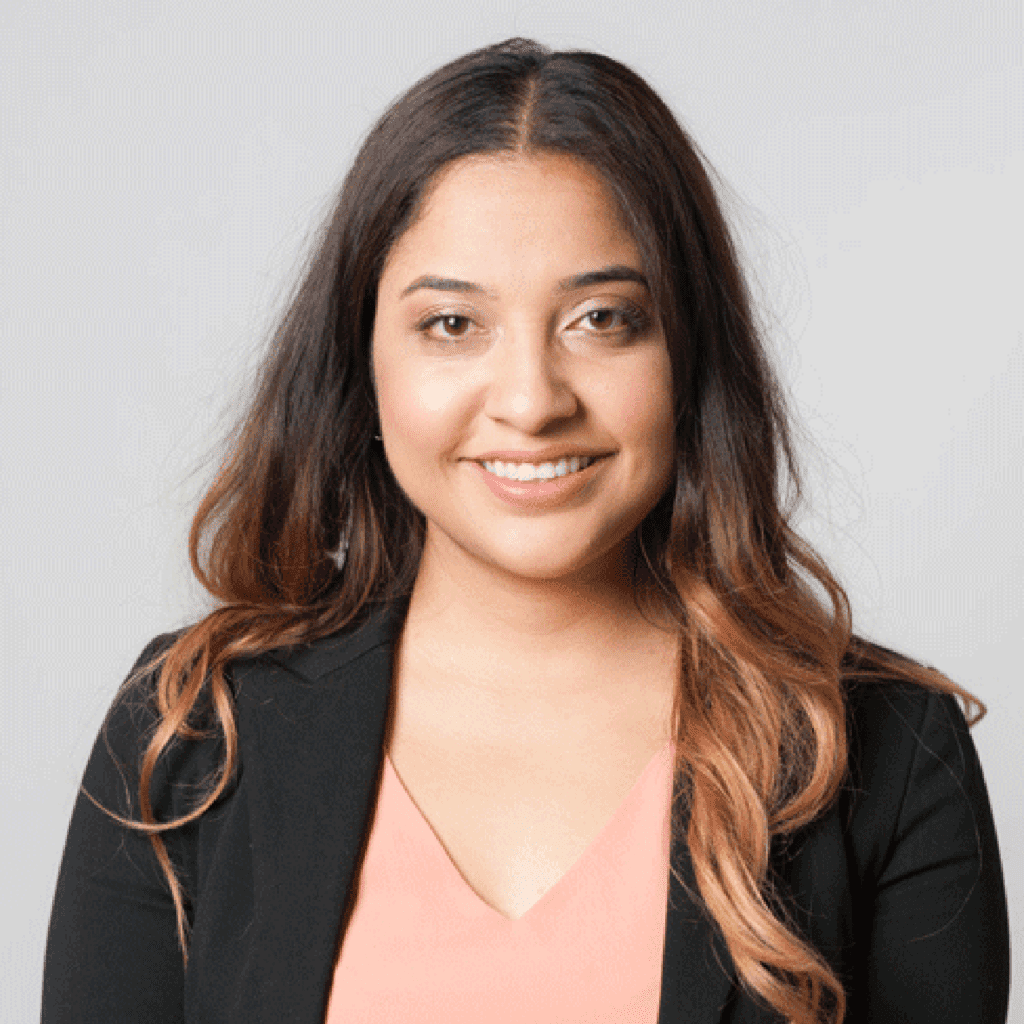
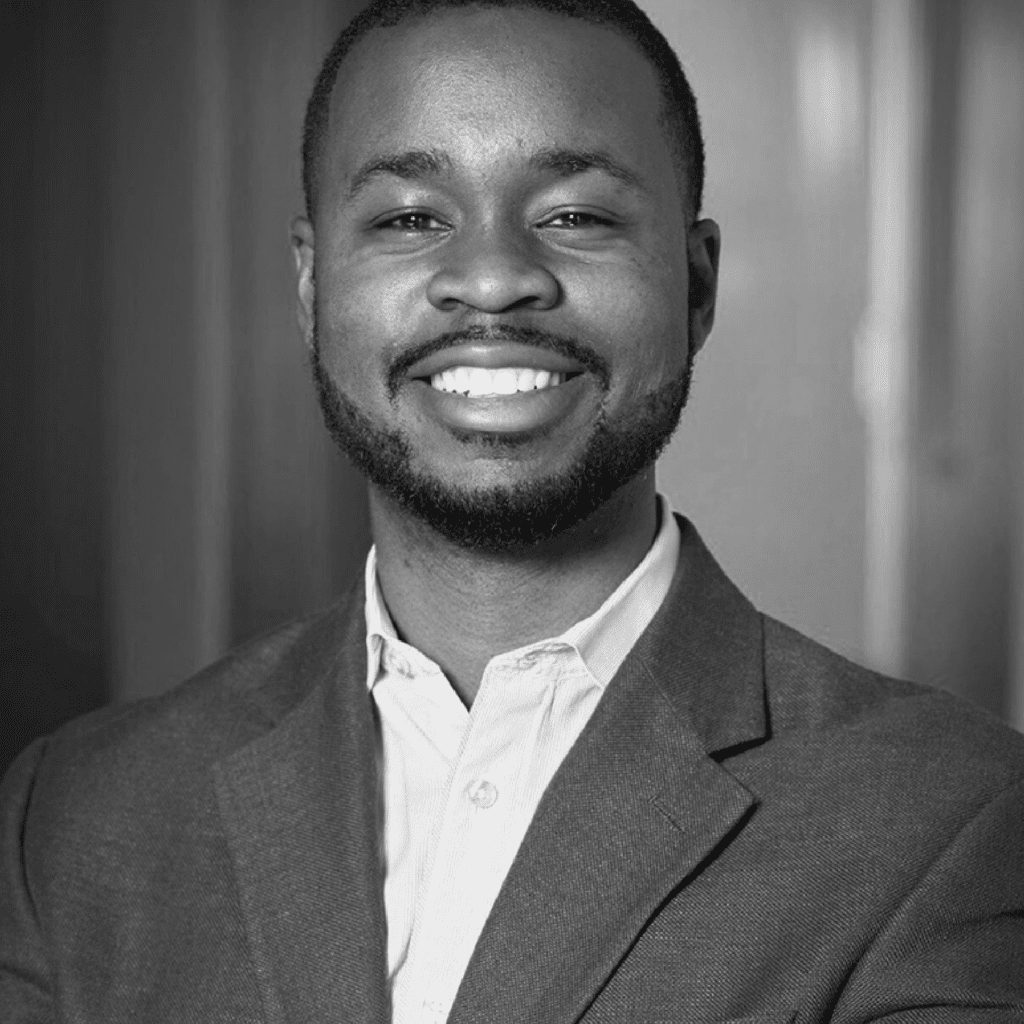
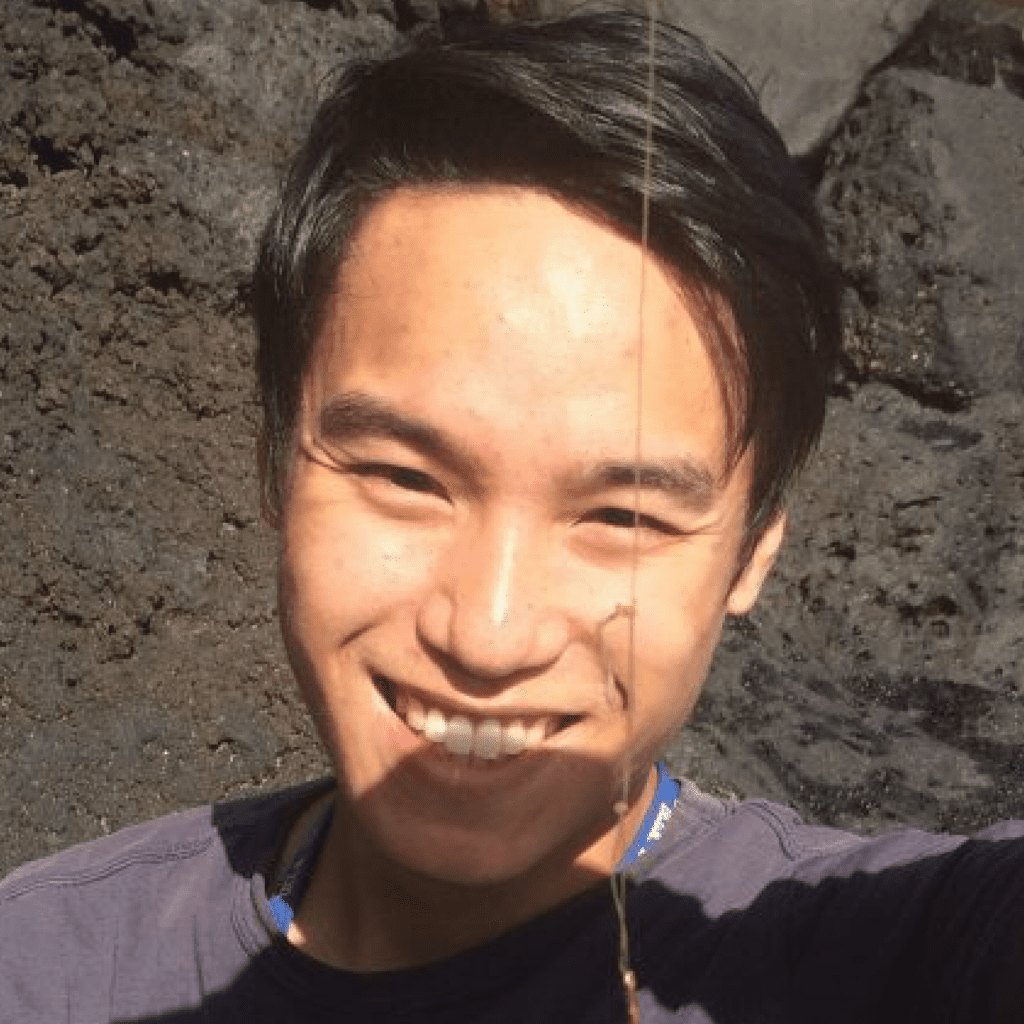
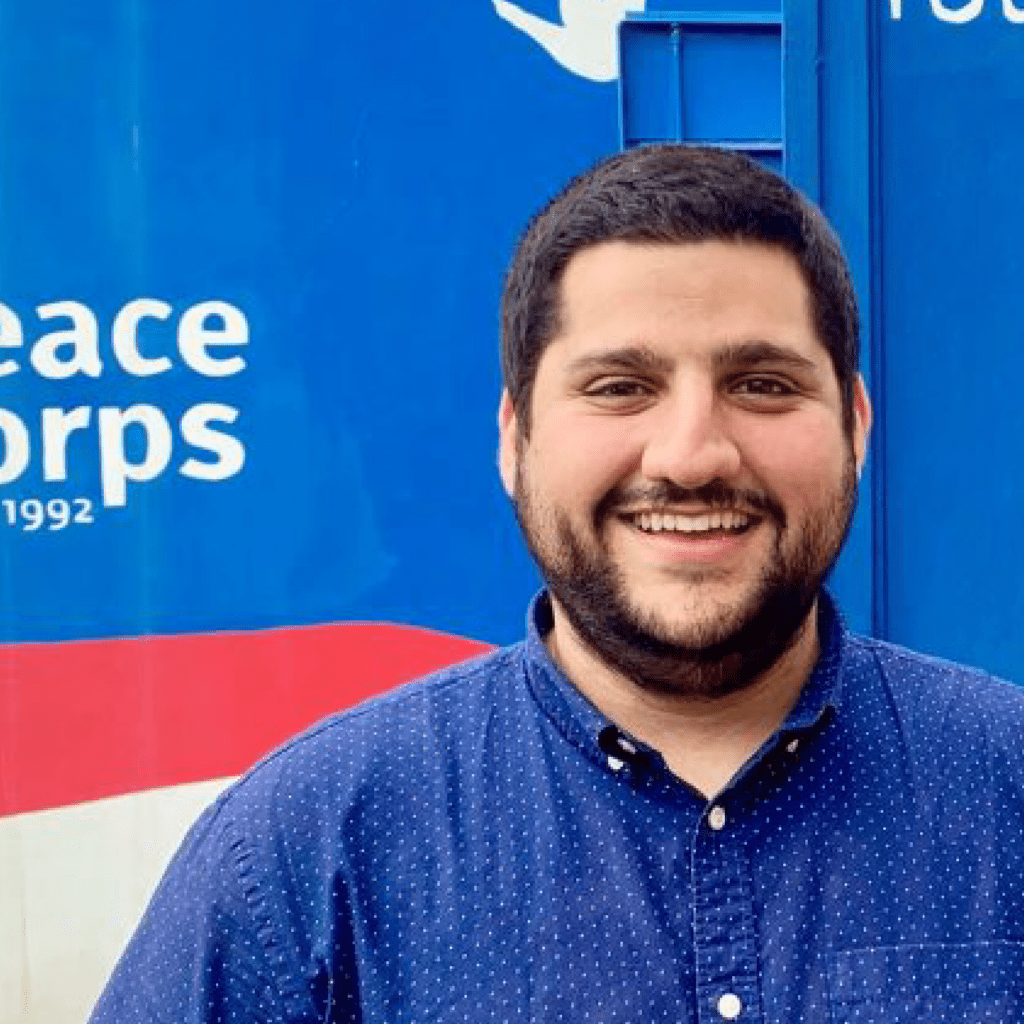
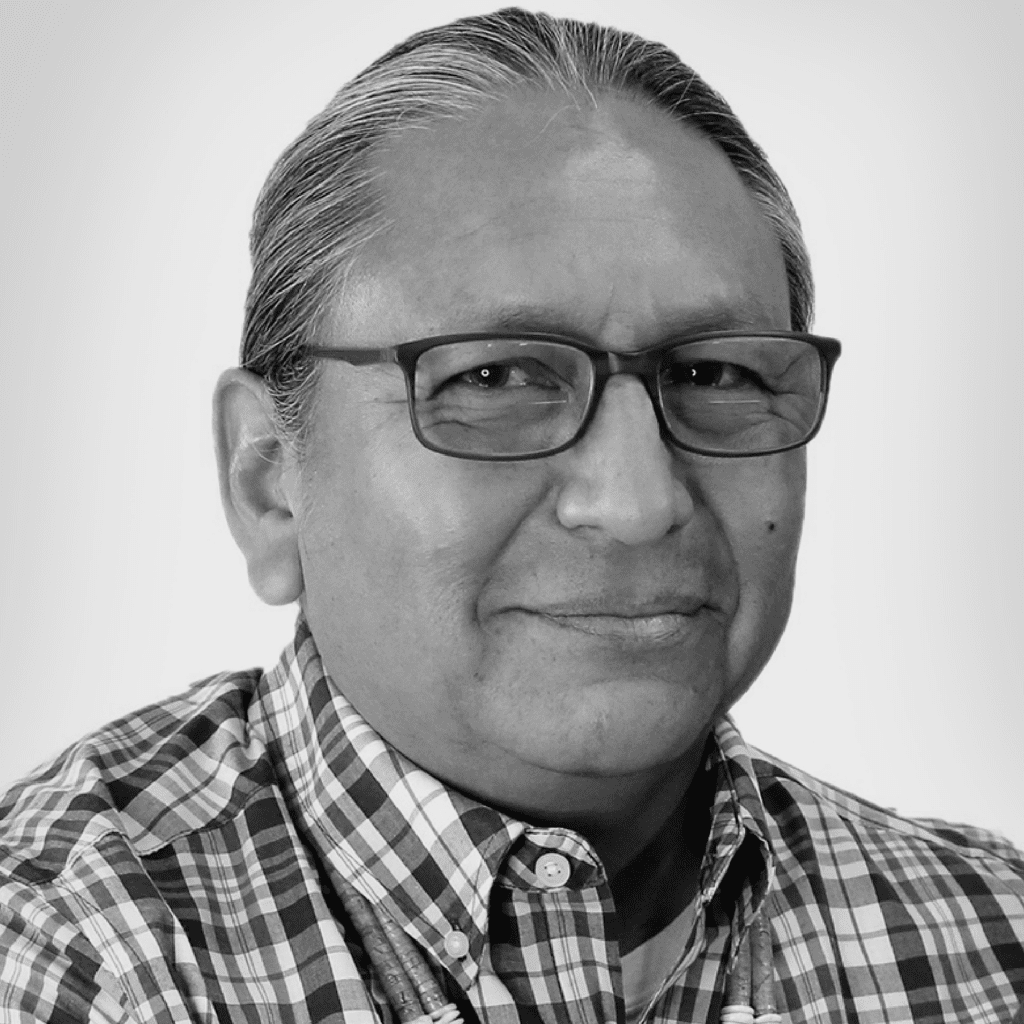
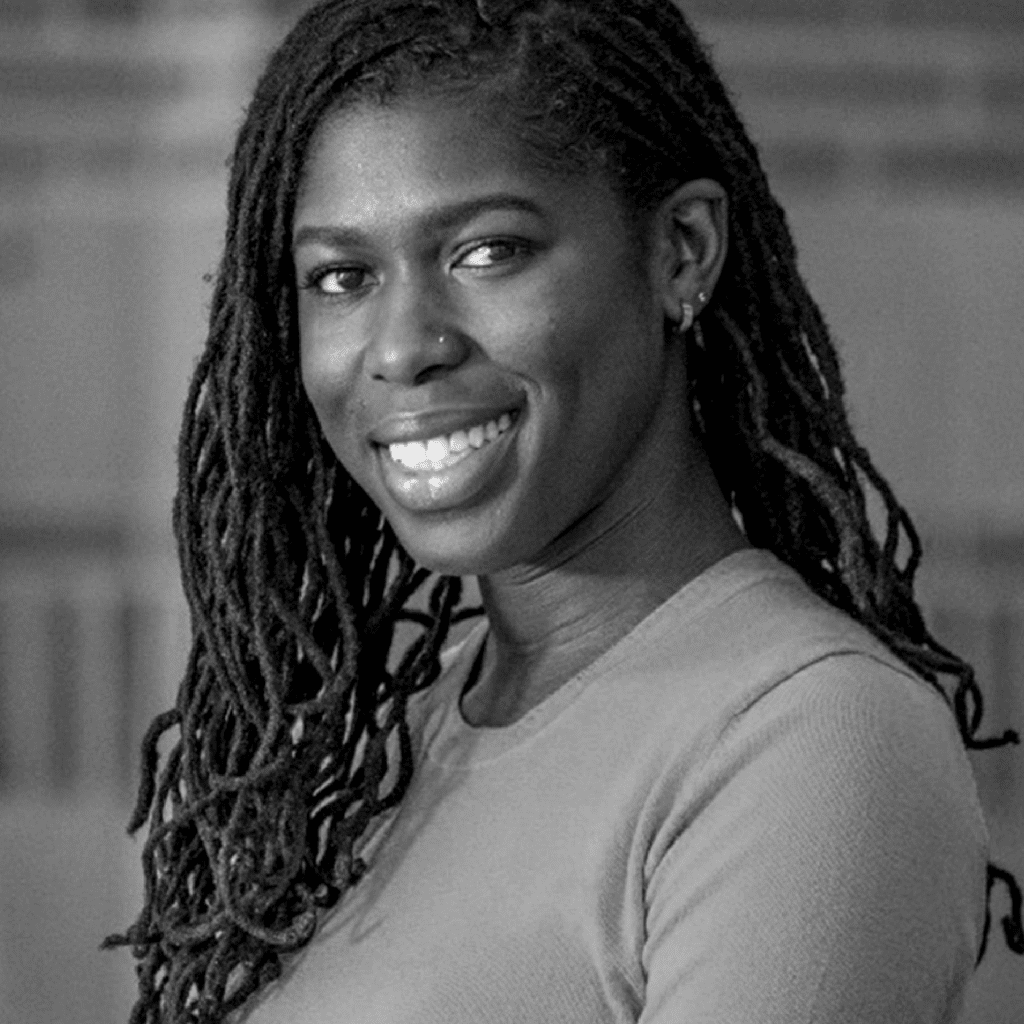
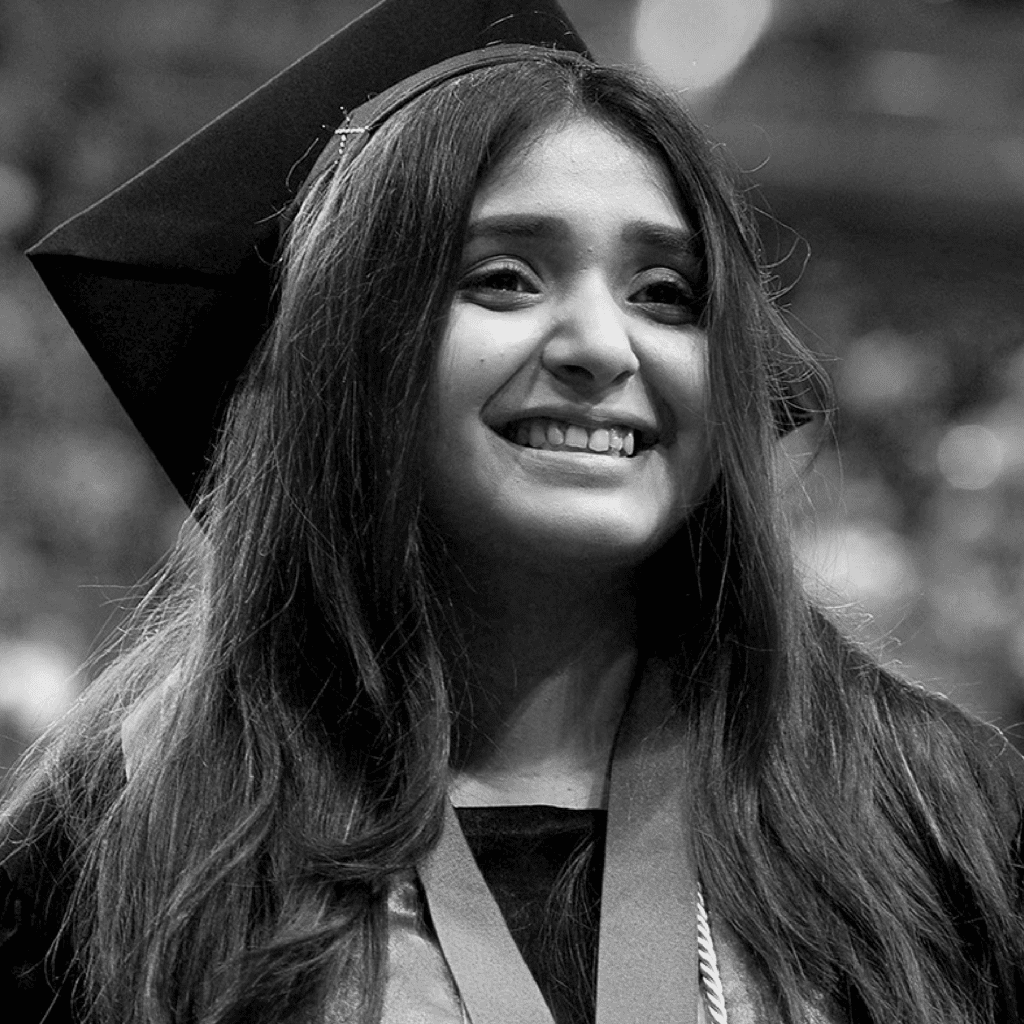
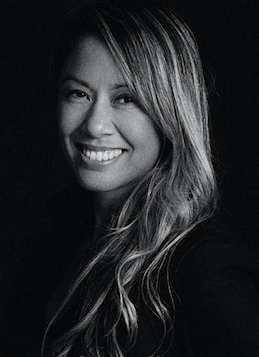
Make Connections
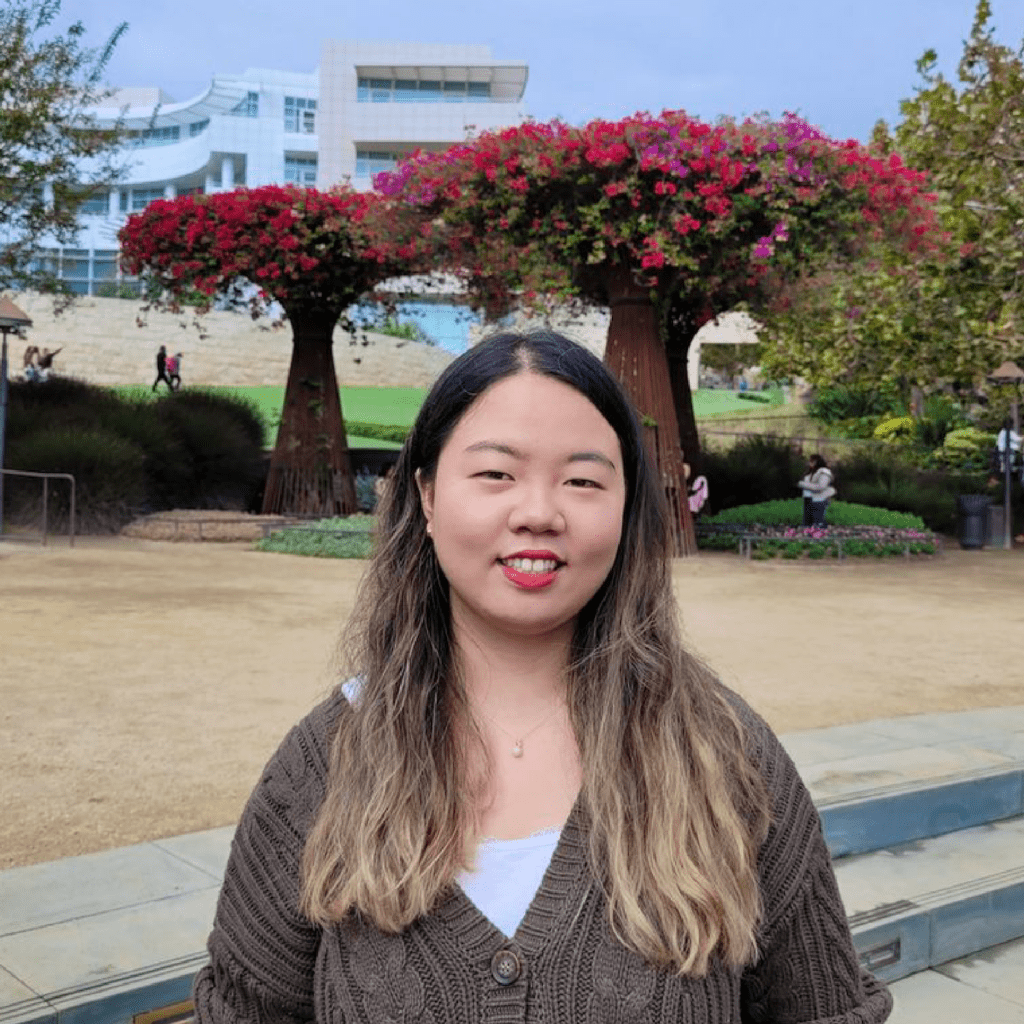
“To LOVE UCLA is to embrace the past, present and future of the university, which also means to always contribute to making UCLA a better place for those to come. Just as UCLA will give you more than you ever dreamed possible, don’t forget to give back to UCLA.”
Dani de Jesus ’00 | Political science and psychology
Every imaginable feeling possible is what I experienced that first year at UCLA back in 1995. Coming from a medium-sized high school, the enormity of it all was overwhelming — the size, the number of people, all the different clubs and organizations vying for your attention on Bruin Walk. But I started to find ways to make the campus smaller: dorm life, Student Alumni Association, Bruin Belles, etc. And once I met my peeps, I knew I was exactly where I belonged.
Read More
I’ll never forget the Beat $C Rally 1997. On that fateful night, we had everything geared up and ready to go. I was the executive director of the amazing campus spirit committee through the UCLA Student Alumni Association, and we had been working on the Beat $C Rally leading up to the big rival football game against USC. The whole week, we had daily events for Bruins to show off their school spirit, and each of them went off without a hitch. The rally at the end of the week was going to be the BIGGEST and LOUDEST event in the history of this rivalry, and not even the clouds in the sky were going to dampen our spirits. Until it drizzled. At first, no big deal. But then the drizzle turned into drops. Next thing you know, it was pouring down rain. That’s when we were told the bad news. Downpour equals no rally and definitely no bonfire. We didn’t want to accept it, but knew because of safety issues, we probably had to cancel the event.
But here’s the thing. When you are part of something special and GREAT, and you’re doing it with your closest friends, miracles happen. We all got together and started singing every song we could possibly think of related to sunshine, and we danced in the rain as a way to say, “You’re great, but not today!” and about 30 minutes before the official start of the rally, the rain all of a sudden stopped and the sky cleared. That’s when it happened. I looked towards the dorms and saw HUNDREDS of students walking down to Bruin Plaza to join the rally at the IM Field. Then I saw HUNDREDS more coming from the apartments. Next thing we knew, there were THOUSANDS of students singing and dancing with us and cheering on our football team, and I am convinced that because of this committee and all the Bruin spirit from the community, UCLA beat USC that Saturday, 31-24. GO BRUINS!
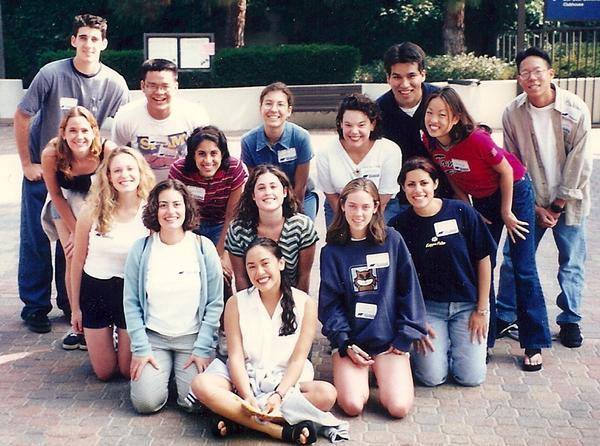
I also loved Canyon Point 1997. It was probably the fifth or sixth week of the new school year and many of the residents of Canyon Point A5 had already found their groove and started feeling like they made the right decision coming to UCLA. But that wasn’t the case for everyone, and as the resident assistant, I wanted to help everyone feel as safe and comfortable as quickly as possible. One afternoon, I was in my room getting some work done at my desk with my door open, as usual. One of the residents came home from class and walked by my room and said “Hi!” as he always did. But this time, I noticed him walking past my door a couple of times, each time with a new question or thought, but always followed by “Sorry…I don’t mean to disturb you!” Always so polite and kind, this freshman had come to UCLA from out of state without knowing another soul. He was shy, but friendly, and, from what I can tell, hadn’t yet made many friends. I knew it would take time, but I also knew this moment was an opportunity to connect. The last time he passed by my room, he commented on my music, “The Beatles are my favorite band!” Bam! Instant connection. There were a lot of amazing things that happened my junior year at UCLA, but hanging with my resident that afternoon singing the entire “Abbey Road” album together at the top of our lungs for 45 minutes will always go down in my books as one of my most memorable moments!
For three days a week for one quarter, I was in music heaven with a class all about the Beatles. As a senior, I had an early registration slot and therefore got first dibs on this course, and thank goodness, because it was jam packed — approximately 500 students. I got to take the course with a fellow Bruin Woods counselor/good friend and it was amazing! We learned the historical and societal context of all our favorite songs, as well as the behind the scenes of one of the best bands ever. The professor was insanely knowledgeable AND entertaining, and a big part of every class was listening to and singing Beatles songs. Lastly, not only did I ACE the final, but I got an A+ in the course. I didn’t even know you could get A+’s at UCLA. Best class ever!
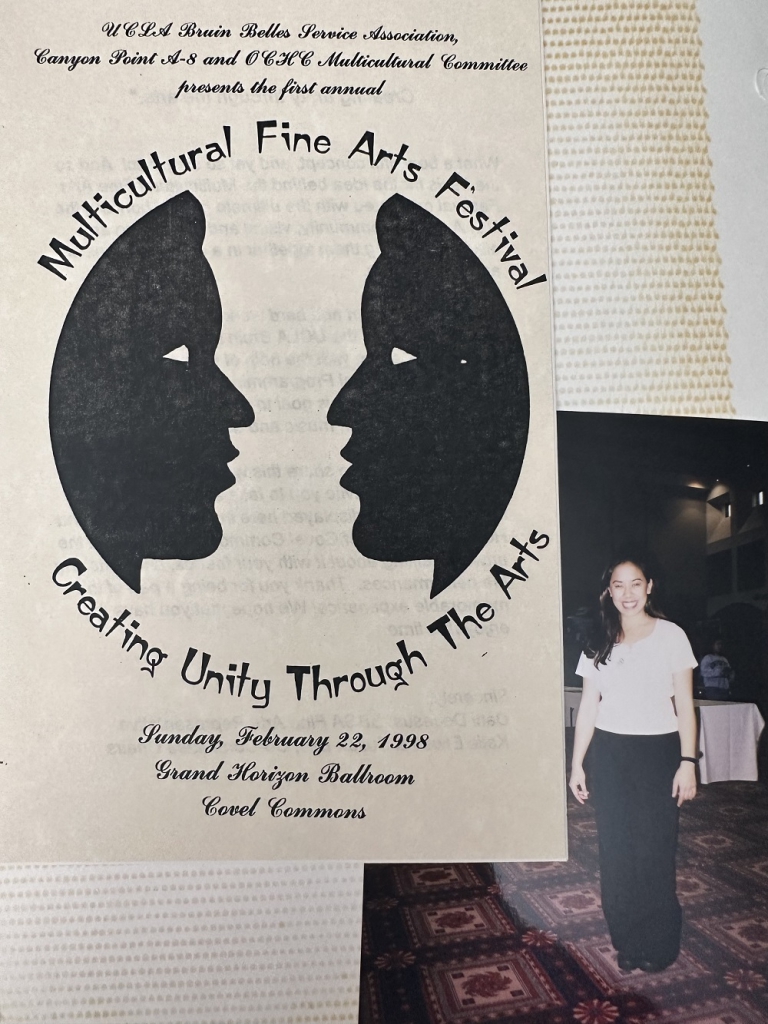
I pretty much lived at the James West Alumni Center because of my involvement with the Student Alumni Association and Bruin Belles, but my favorite place was somewhere I could just curl up in a corner with my books and feel surrounded by greatness. Even though the Charles E. Young Research Library wasn’t the most aesthetically pleasing building on campus, it was exactly what I always needed when I needed to bury my face in a book or beat out that research paper. With its chill yet serious vibe, it never let me down.
Double majoring in psychology and political science allowed me to not only explore different passions of mine, but also different styles of learning. They tapped into different interests of mine in unique ways, and taught me that there are many ways to engage with knowledge. These experiences would later inform my practice as a high school teacher and I did my best to make my students’ learning experiences both personal and unique.
UCLA is about CONNECTIONS. It’s where I started to connect to who I really am and how I want to show up in this world. It’s where I connected to different experiences and different viewpoints and learned that the world is so much bigger than myself. It’s where I connected to so many different people who, whether for a quarter, a year or 23 years, have touched my heart in profound ways. It’s where I met my best friends, my chosen family. It’s not just a place. It’s a lifestyle and there’s nothing like it in the world.
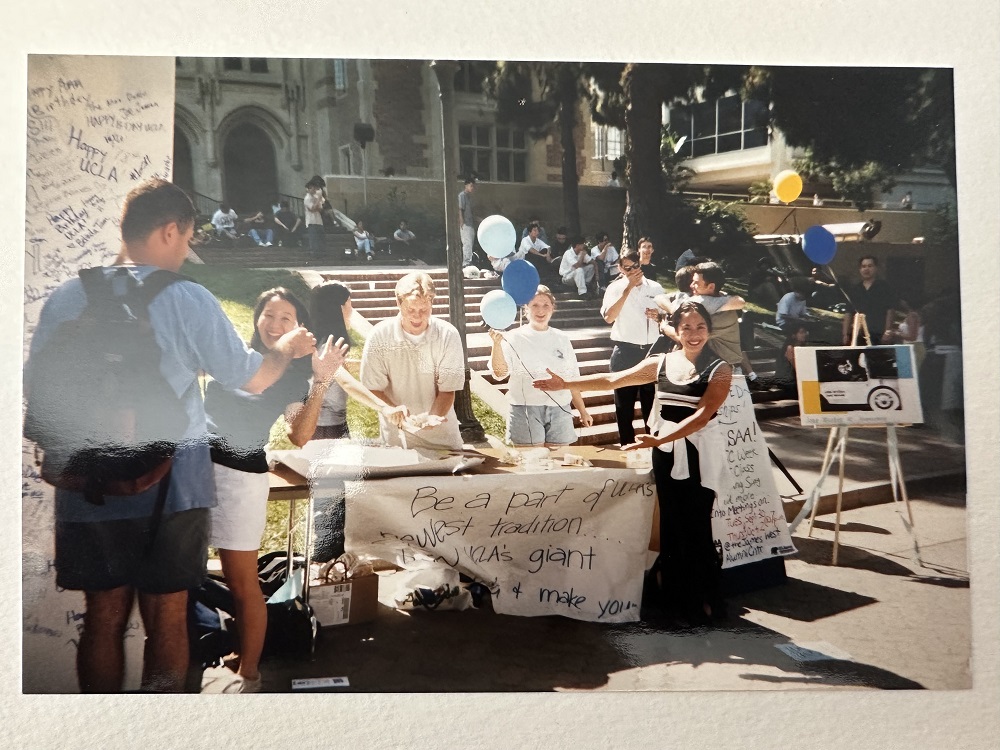
My UCLA College legacy is hopefully one of joy, pride, growth, and love.
It’s easy to get overwhelmed with all the school work, extracurricular activities, college life, and just growing up. But I did my best to find JOY wherever I could — even in the most minutiae of everyday life. It’s what kept me grounded and present and made it all memorable.
There’s nothing more amazing than being a part of something great and taking great PRIDE in that. I am a proud Bruin — proud of the work I did at UCLA, the relationships I made and nurtured, the legacy I left behind.
UCLA was filled with opportunities that made me super uncomfortable, but it’s when I found the courage to get out of my comfort zone, that I experienced the most GROWTH. Take the leap. Trust the journey. It’ll be worth it.
To LOVE UCLA is to embrace the past, present and future of the university, which also means to always contribute to making UCLA a better place for those to come. Just as UCLA will give you more than you ever dreamed possible, don’t forget to give back to UCLA.
I hope that the UCLA College continues its commitment to diversity and representation — where all members of the UCLA community can feel seen and heard. With all the divisiveness in the world, I hope that the UCLA College continues to be that place where we can come together to both challenge and celebrate each other in the hopes of building a better future.
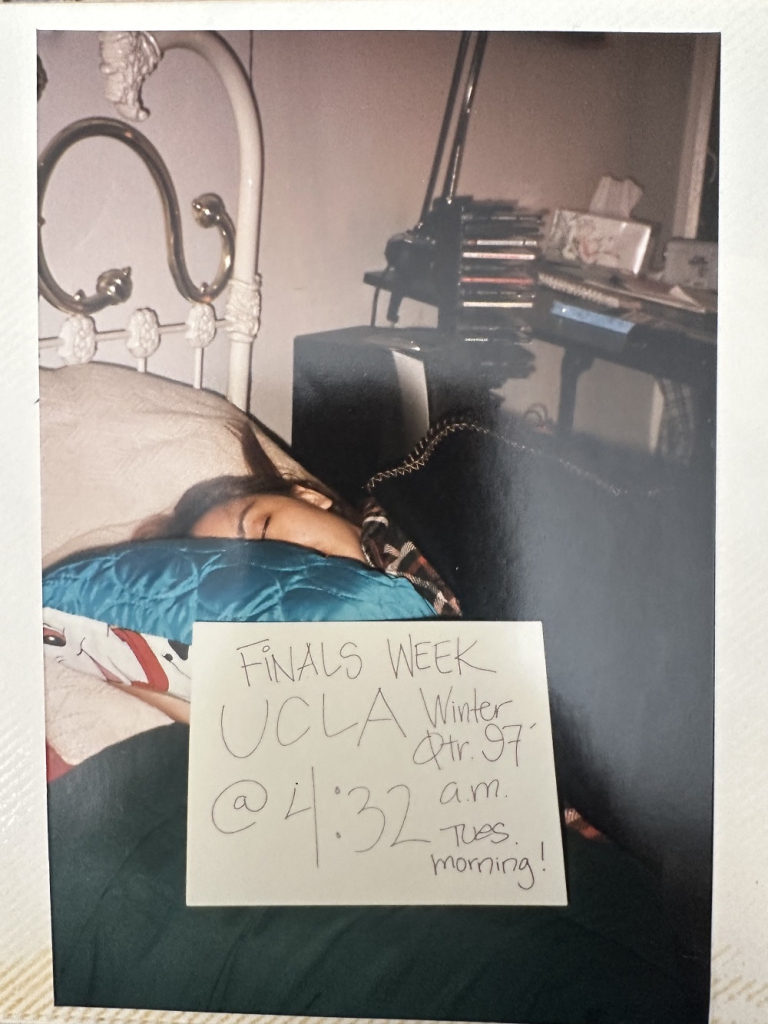
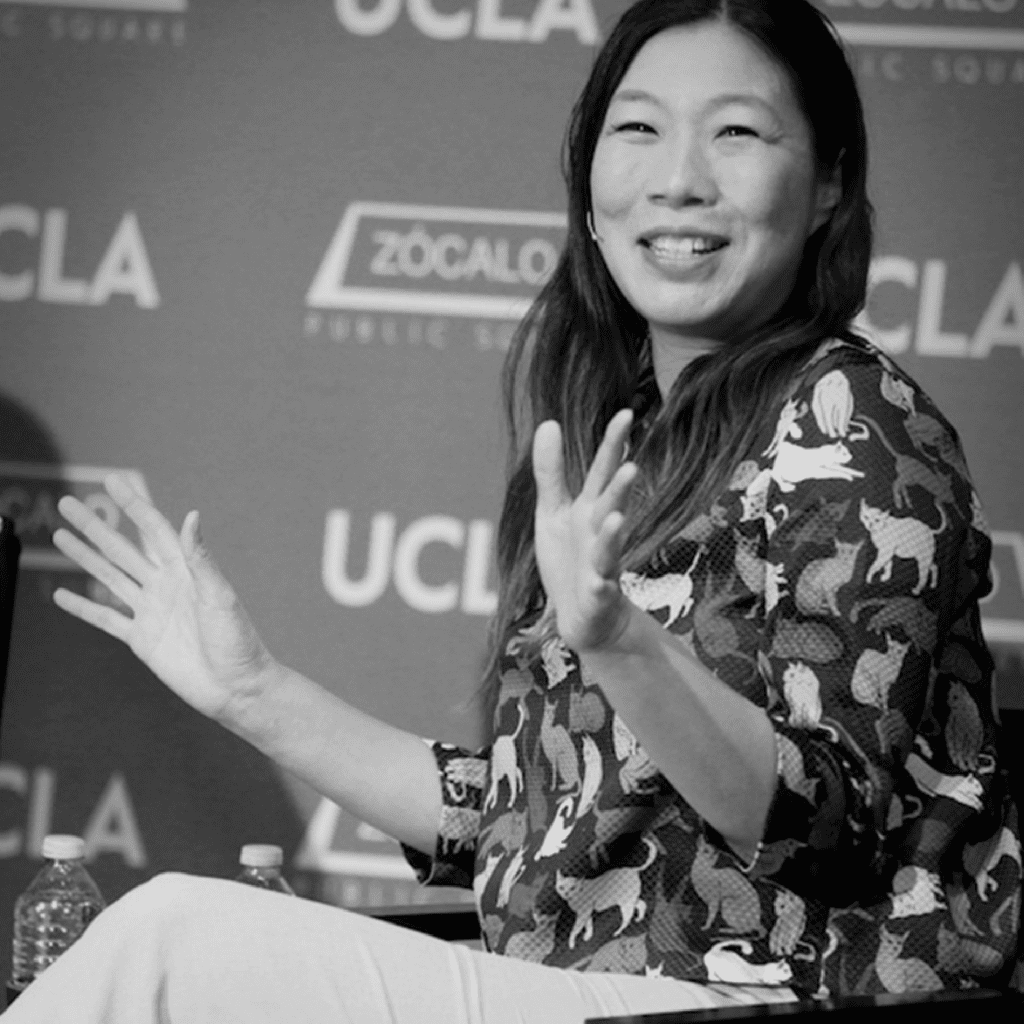
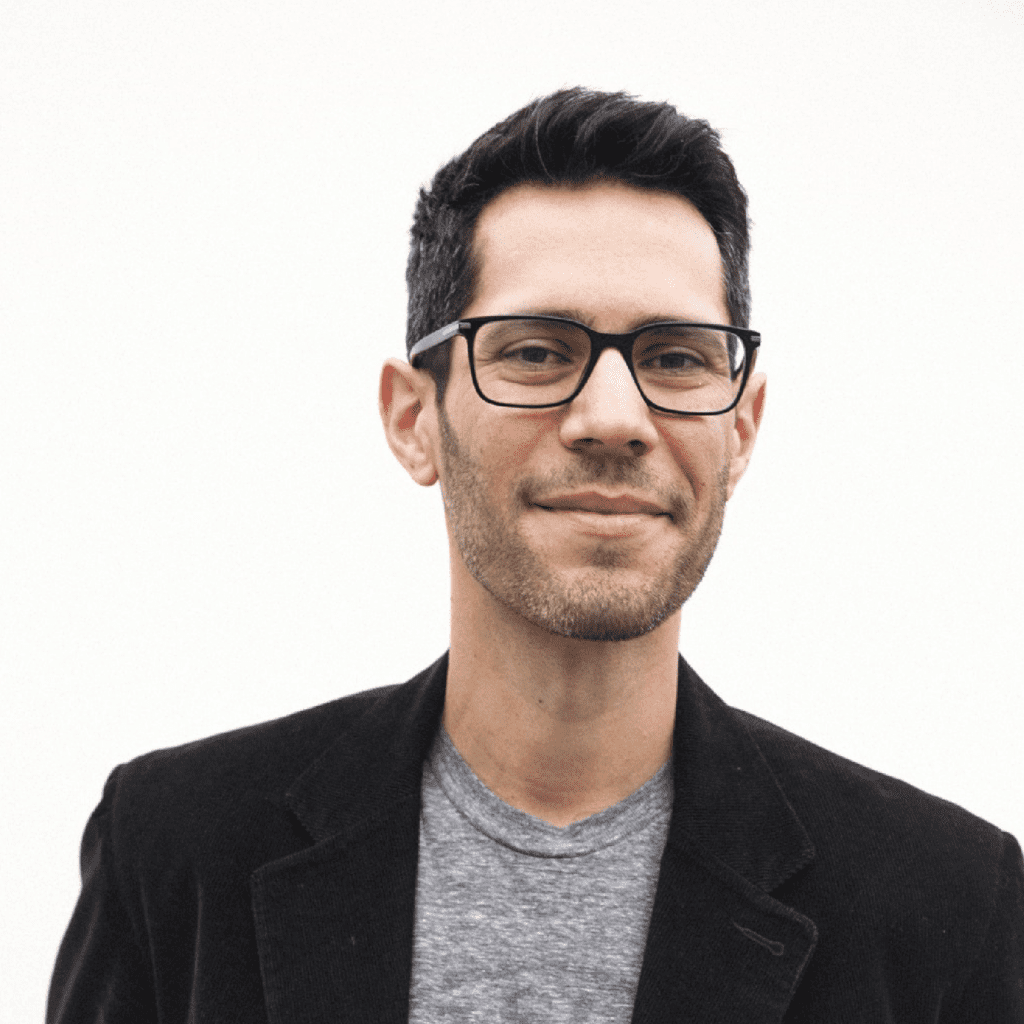
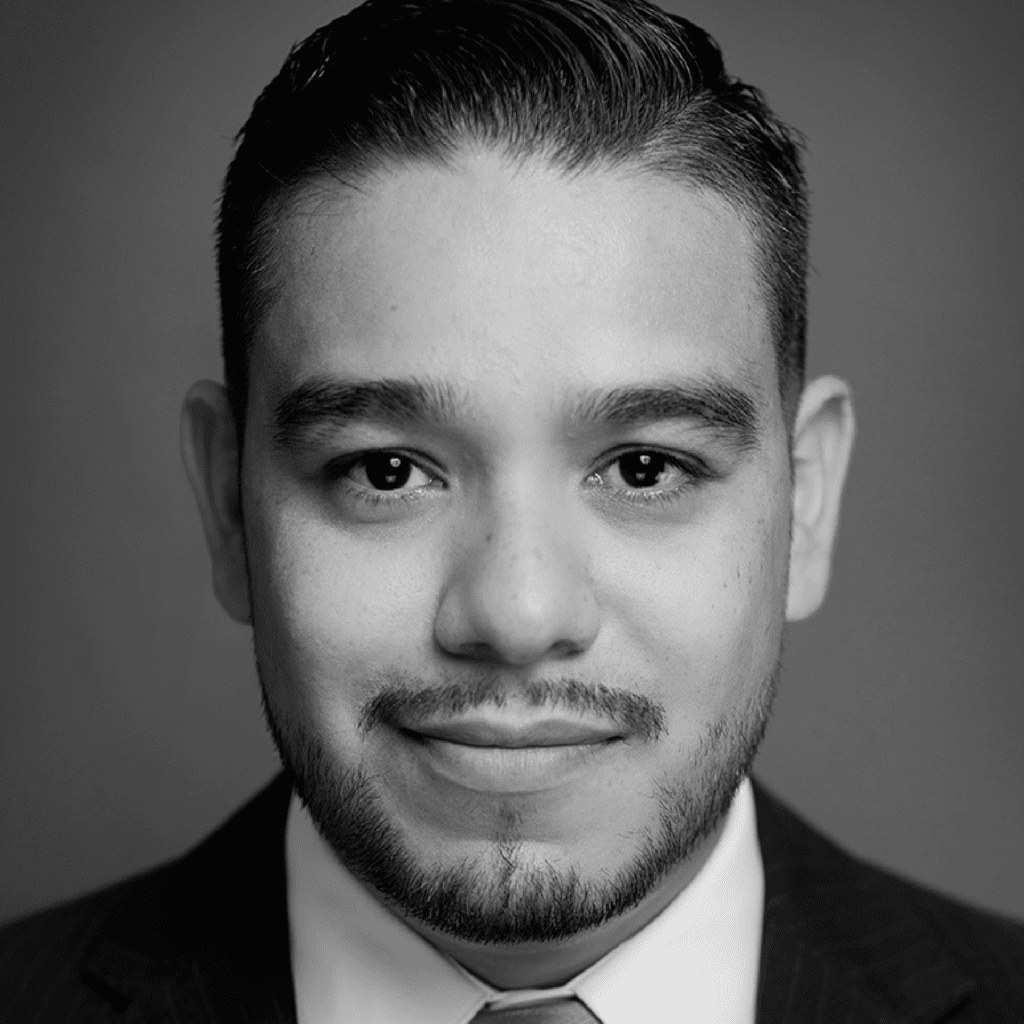
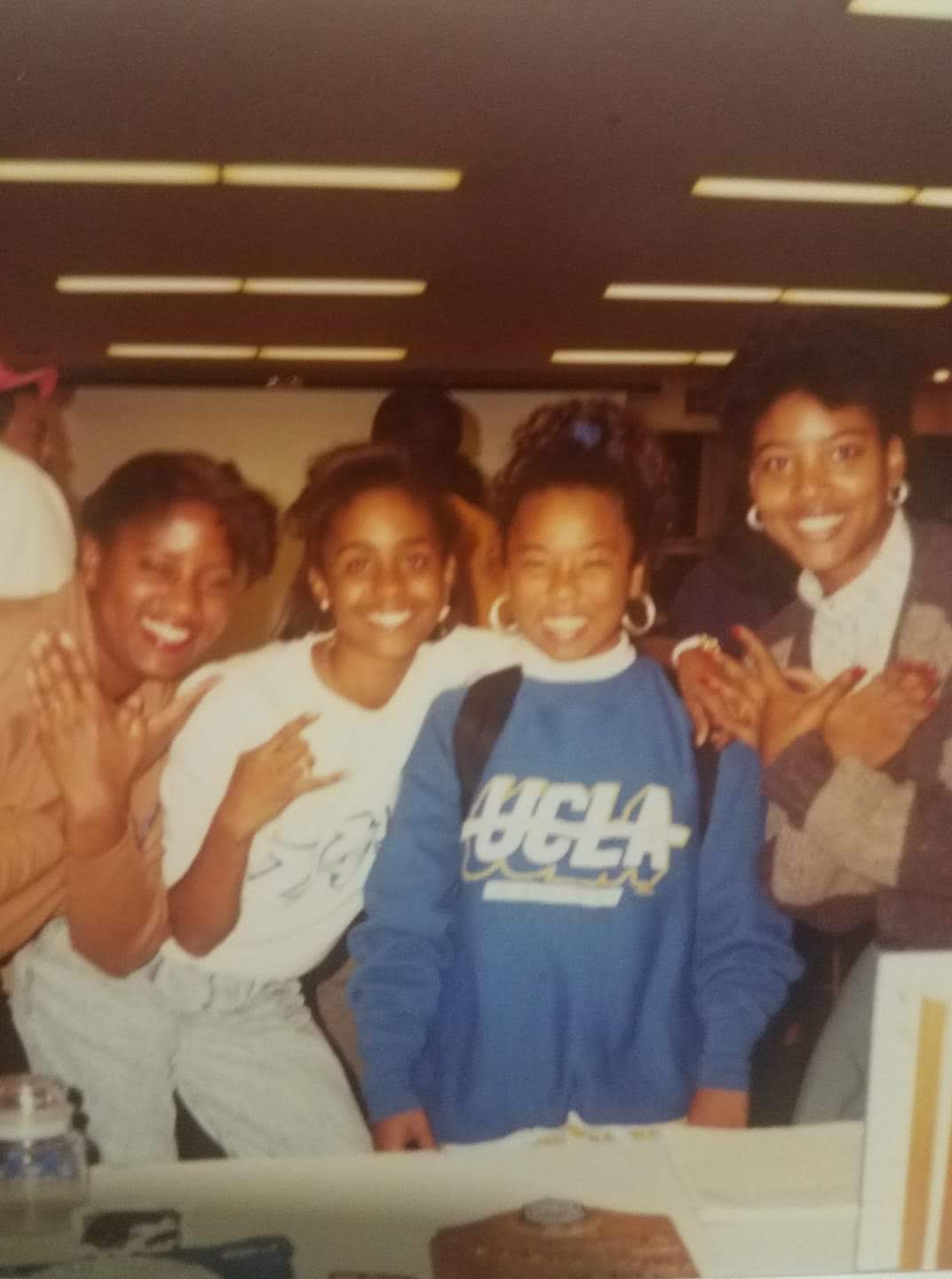
Pay It Forward
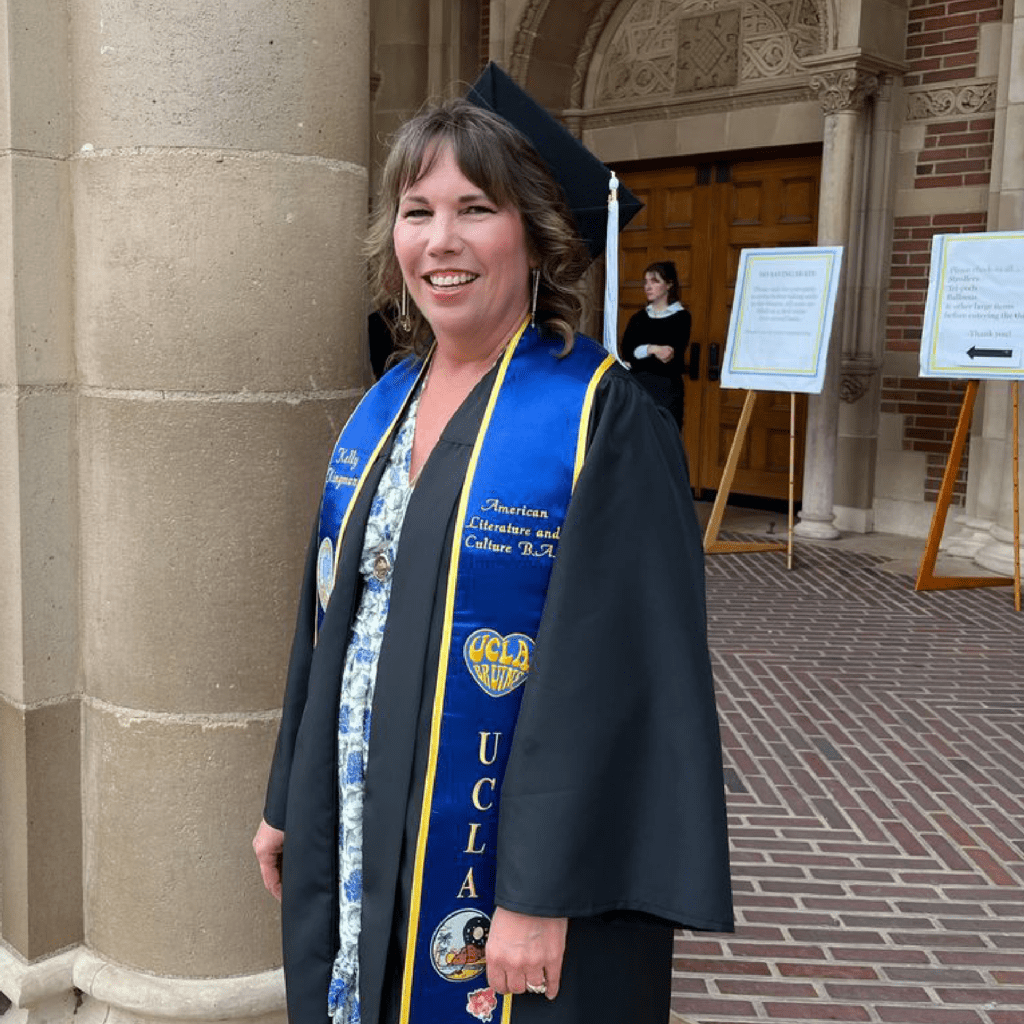
“I like to say ‘teamwork makes the dream work’: you cannot go to UCLA and think you can survive and get through it by yourself. It really does take a village, especially if you’re a Black student or a person of color.”
Thuy Cooper ’94 | History
From the beginning, I knew UCLA was the place for me. My journey started as a high school student visiting campus as part of a college tour and participating in UCLA’s Partnership Program, an outreach program to prepare Los Angeles-area students for college.
Read More
Two events sealed the deal for me. First, I remember coming down Bruin Walk and watching students gather in a crowd to hear someone speak. This just awed me, to see free speech at work — it had me thinking: “This is what college life is supposed to be like.” Second, I stayed on campus for the UCLA Partnership Program, where I had the opportunity to experience dorm life and take a course from Professor Oliver, a UCLA sociology professor. UCLA was doing their part to prepare me to be a college student, and that had a meaningful impact on 16-year-old me. And the football and basketball programs were awesome in the late eighties and early nineties — what wasn’t there to love about UCLA!
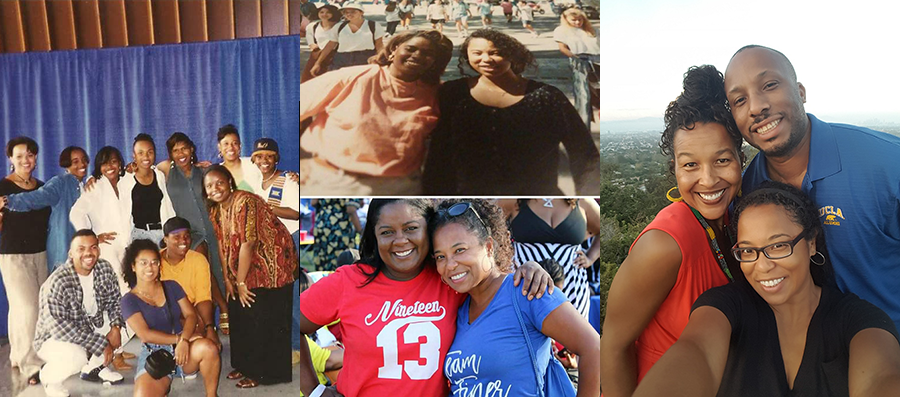
I started college life in August 1989, when I enrolled in the Academic Advancement Program’s Freshman Summer Program. Looking back, the FSP experience was very important and set the tone for my college journey, as I was the first in my family to graduate from a four-year university. During FSP, I not only had the opportunity to take courses that met UCLA’s graduation requirements, but I also received close personal attention from professors, teaching assistants, counselors and peer counselors. FSP prepared me for college life and introduced me to people I’m still in contact with; those of us who attended the program together made deep connections and even established lifelong friendships and relationships. We proudly identify ourselves as “FSP ’89.”
Toward the end of FSP, I suffered the biggest loss in my life, which was the loss of my father. Not many people knew he was ill and hospitalized. It took me forever to speak to him in the past. Anyway, being in FSP and speaking to my FSP counselor helped convince me not to delay my freshman year. Also, my father would have wanted me to stay enrolled. It warms my heart knowing how proud he was that his baby girl was going to UCLA. I am forever grateful for FSP — so much so that I became an FSP counselor myself in summer 1993 to pay it forward. I’m a huge advocate of helping others and paying it forward — I wouldn’t be where I am today if it weren’t for the people who helped me, such as those in the UCLA Partnership Program and FSP.
In a nutshell, being at UCLA as an undergraduate in the 1990s prepared me for the real world. We had so many student-run programs that taught us how to be strategic, how to run organizations, how to work with other people — all skillsets that I still use today. While I didn’t take advantage of everything UCLA had to offer, I took part in activities that help shape me into the person I am. I was involved in UniCamp, the Afrikan Student Union and Nommo, the Black student publication. I spent a lot of time in the Men’s Gym — today it’s the Student Activities Center — and the Community Programs Office (CPO), where I took advantage of the peer counseling offered by the Academic Supports Program and learned so much about consciousness from Tim Ngubeni. I helped organized Azania Solidarity Day to celebrate South Africa; I took advantage of tutoring services offered by the Academic Advancement Program in Campbell Hall. I joined Zeta Phi Beta Sorority, Inc., a historically Black sorority — I’m still active 30 years later, and have maintained close connections with my sisters from that time.
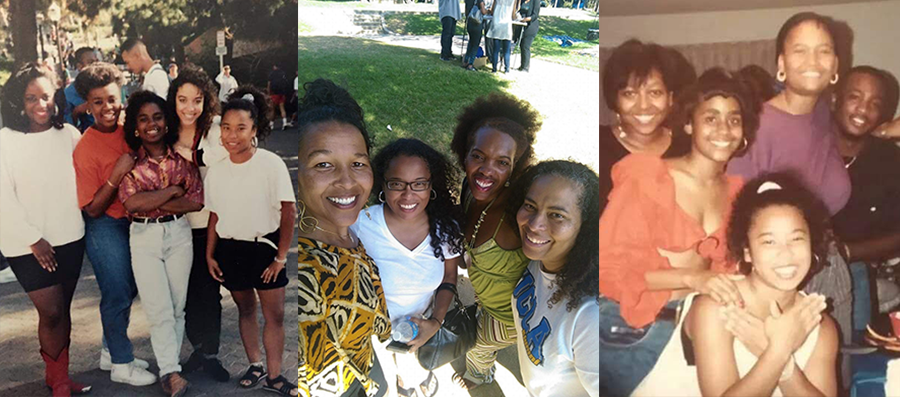
I truly have fond memories of UCLA. I remember one day, walking from class on north campus with my best friend, stopping in the quad in front of Royce Hall and Powell Library and just looking around. And I said, “Can you believe we’re right here at UCLA? We’re students at UCLA.” There’s something special about that campus. I don’t care how long I’ve been gone, every time I set foot on that campus, it brings back so many memories, and it makes me feel blessed and fortunate that I was able to experience my college years as a Bruin.
We had a strong Black population at UCLA in the early nineties. There are those who say that to have a true Black college experience, you must attend a Historically Black College/University. I beg to differ based on my experience. Looking back, I didn’t feel the need to go to an HBCU for undergrad because we had such a strong community at UCLA. We had what we called Black Wednesday: every Wednesday between noon and one o’clock, the Black students gathered at the bear. You would see your different pockets: athletes, sororities and fraternities, or just regular people hanging out. That’s where you saw the Black culture on campus. Black Wednesday was so popular that even Black students from nearby universities would come to campus to join in socializing. (By the way, I attended Clark Atlanta University, an HBCU, for graduate school, and I appreciated my experience, but it’s no UCLA!)
I loved taking advantage of the varied programming at UCLA. We had Mardi Gras, had a few protests that I participated in, and had some of the greatest guest speakers: I saw Cornell West and would get excited each time Kwame Ture (formerly Stokely Carmichael) spoke on campus. I was in awe to be in the presence of a former Black Panther Party member. Every time there was an opportunity to listen to individuals who were part of the Civil Rights Movement or the Black Power Movement, I was all about it.
I think my favorite class had to be “Ellingtonia,” the class on Duke Ellington with Kenny Burrell, a famous jazz musician in his own right. It was amazing having professors like him who were passionate and cared about the topic. And as a history major, I loved any class on U.S. history. I enjoyed doing the research — I took one course where I was able to identify the topic I wanted to explore, and mine was a comparison of the Black Power Movement and the Vietnamese nationalist movement; it tied both my cultures together. My goal was to turn that paper into a dissertation for my Ph.D., and that didn’t happen. But the funny thing is, I still have that paper today, because I was so proud and it was so important to me.
I had the best roommate freshman year. Shelly was a transfer student from Sacramento — oh, the stories we shared as roomies, including her experience as a Tri-Delt and those wild stories from Frat Row. At the end of the year, we created a list of the top 100 things that happened to us our first year in college, and I still have that list! She and I are close to this day, and we still laugh at the things that happened to us while we were living together.
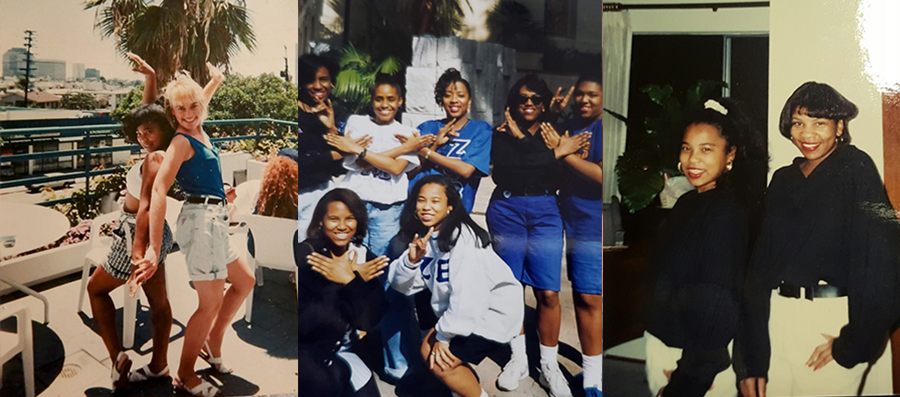
Today, I’m heavily involved with the UCLA Black Alumni Association, and I support my undergraduate sorority sisters when they have events. I like to say “teamwork makes the dream work”: you cannot go to UCLA and think you can survive and get through it by yourself. It really does take a village, especially if you’re a Black student or a person of color. We can’t do it on our own, and we have to recognize that, and then when we do make it, and we see that light — pay it forward, because there’s someone behind you that needs that same help, that thinks no one has ever gone through the same thing they’re going through.
Just last month I spoke at Black Convocation, representing the UCLA Black Alumni Association, and one of the things I said is: Tap into not only the faculty on campus, but also to Black alumni. Because the things that students are going through, we’ve gone through them; we’ve experienced a lot of that already. And if we don’t know the answer, we can probably find someone who can help them. So that’s what I want my UCLA legacy to be: teamwork makes the dream work, and pay it forward. And I think that’s what UCLA is really all about. That’s the spirit of UCLA — wanting to learn and making a difference — and I’m really happy that I’m a part of that legacy.
In the next 100 years, I hope we continue to build on our current legacy — that we continue to welcome people with diverse ideas and viewpoints, and to value those viewpoints. I hope to see us expand a little bit more with satellite campuses, and create an environment where students from low-income families have an opportunity to go to UCLA and learn and be able to contribute to society. I don’t think money should be an obstacle for someone who wants to go to school and get their education.
I would love to see a day where we have a Black chancellor, or a woman chancellor. I believe we’ll get the most qualified candidate to succeed Chancellor Block. But to me, why not one who is a woman, a Black woman or a person of color? Chancellor Block has been awesome in increasing diversity and making us a real, true, community-based university, and I hope anyone that comes in after him continues that legacy.
Write the Book
“I’m proud to help mark the 100th anniversary of the UCLA College, which shaped countless Bruins in our formative years, paving the path ahead. Congratulations!”
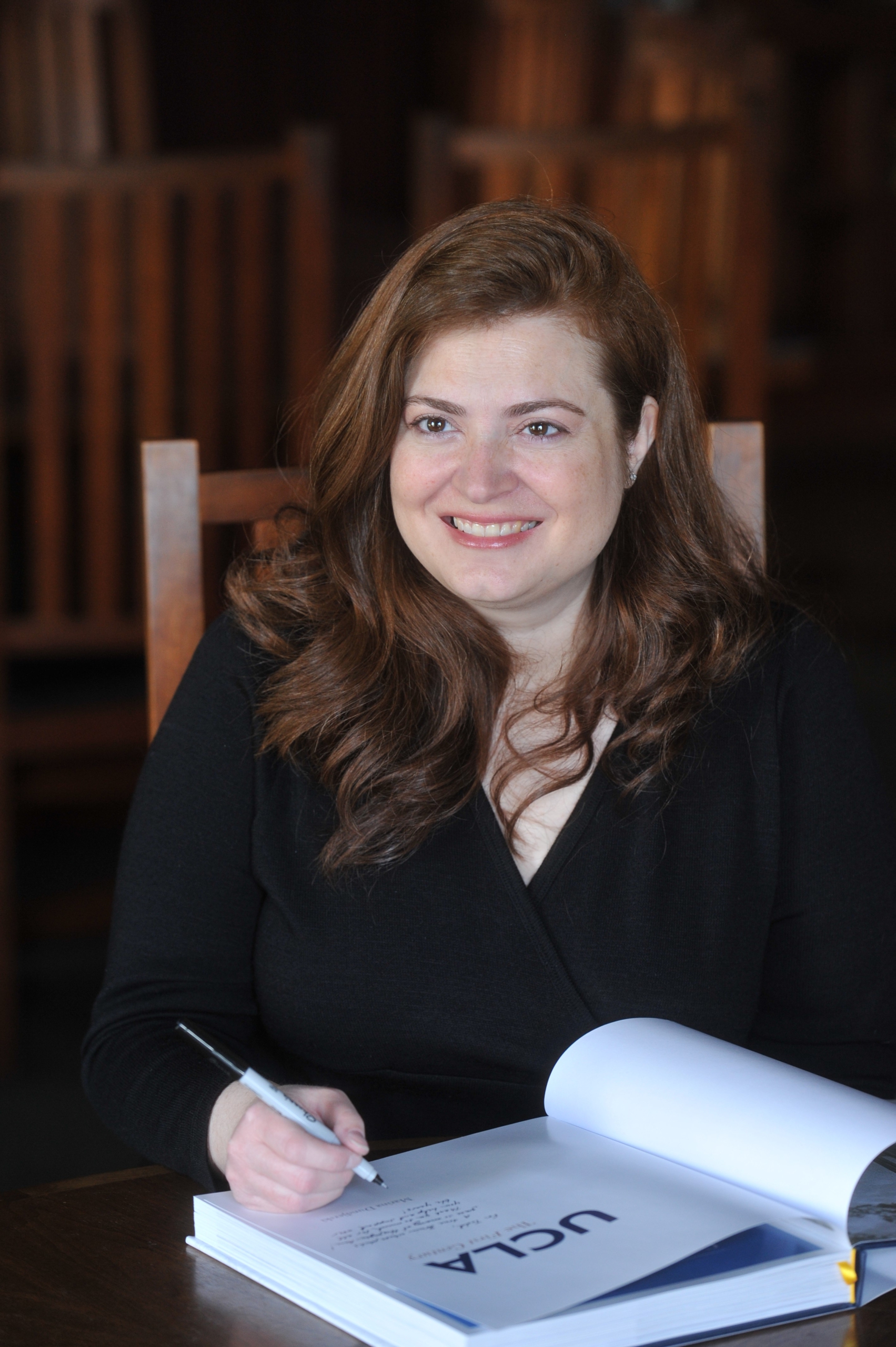
Marina Dundjerski ’94 | English
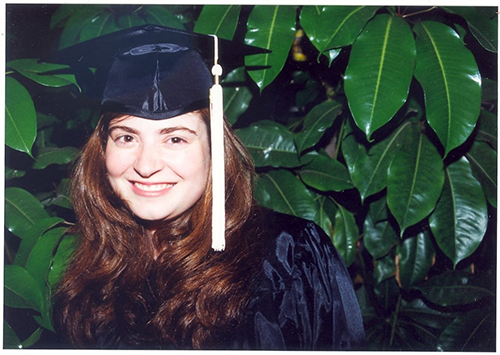
During orientation, we were led on a four-hour campus walking tour and regaled with campus lore (like how Bunche Hall was rotated after its waffle windows blinded motorists on the 405). Of course, I believed it all. We were then “initiated” by wading into the Inverted Fountain. While we were enjoying the moment on that scorching day, some students came by and grabbed all our shoes and ran off. We found them a short distance away in a huge mound. We laughed so much as we sorted out our footwear. I entered UCLA as undeclared in the humanities, and while UCLA was a vast and challenging place, I knew right then that it would also be fun to navigate my way through.
Read More
There’s always so much happening at UCLA. In 1993, I was able to see Sir Ian McKellen in “King Richard III” in Royce Hall — what a way to see Shakespeare come to life, especially for an English major. Another memory: One of my professors had a tie to noted philosopher Jacques Derrida and arranged a field trip via carpool to hear the founder of deconstructionism give a keynote lecture at UC Irvine. What a rare opportunity that was. Finally, my grad year coincided with UCLA’s 75th anniversary in 1994, marked with a celebratory academic convocation in Pauley Pavilion. There was a video — which may have been my first real introduction to UCLA’s history — and then the sitting U.S. president, Bill Clinton, addressed us Gen-X Bruins as a “generation of seekers” and America’s future. That was certainly memorable.
My favorite classes were the musicology 135 series: history of opera. I took all three elective classes, covering the Baroque period through Philip Glass. It was my final year and the course was three days a week including a Friday 8 a.m. discussion session — that should underscore just how much I loved it! I remember going to the cheery yellow Towell Library after the Northridge earthquake to listen to operas held on reserve for the class. It was a different form of storytelling that complemented the English major perfectly.
My favorite place on campus was the Daily Bruin offices in Kerckhoff Hall. I spent so much time there and have great memories of the camaraderie and our shared sense of responsibility and pride in putting out a newspaper covering campus.
At the time, UCLA offered a specialization in world literature. It meant studying the global greats — from Cervantes to Dostoevsky, Shakespeare to Ibsen, and Confucius to Gwendolyn Brooks — and required taking some classes with the lectures and literary text in the original language. I chose Literatura Hispanoamericana. No matter how good a translator/editor is, some things are simply lost in translation. For example, metaphors in poetry. Reading and discussing the original texts in Spanish, and comparing them with their English versions, offered another dimension to learning, with the added benefit of social and cultural context.
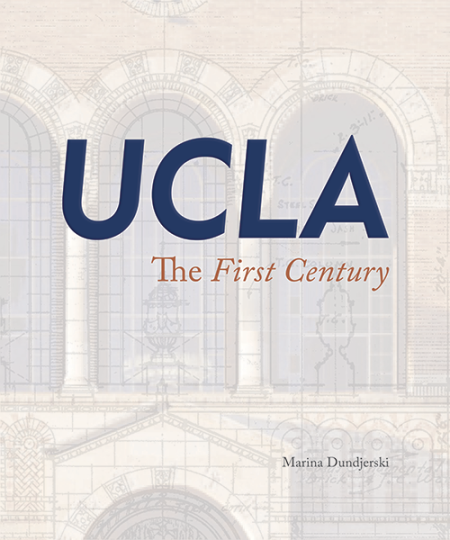
As an alumna, I feel privileged to have been able to write the book “UCLA: The First Century.” After graduating, it seemed that my work as a journalist always kept me writing about UCLA in one way or another. As I said when the book first came out, I am inspired by the story of UCLA and I see its history as a collective, living legacy that we all share.
Working on the book, I enjoyed spending time with UCLA’s Pioneer Bruins. Their love and joy in talking about UCLA felt almost unmatched and was quite contagious. Pioneers were part of the group that moved from the old Vermont Avenue campus to UCLA’s new Westwood site and felt an ownership based on their advocacy for the university’s permanent location. Interviewing Coach Wooden in his Encino home was also a memorable experience. He emphasized that he considered himself a teacher first, and true to that he took moments during our conversation to teach me something or two — from basketball to life. He was so kind. Unforgettable.
Thinking about what makes UCLA so special, there is one central, underlying theme: UCLA was built on risk. The chances, decisions, opportunities that campus leaders — including administrators, faculty, students and alumni — took over the years forged UCLA into what it is today: the top-ranked U.S. public university. From overcoming stiff political opposition to establish the institution in its own right in 1919 to pursuing scientific advances such as leading the search to treat and cure HIV/AIDS, UCLA’s leaders have always moved the campus forward not just through sheer determination, but with optimism. I hope that will always continue to be a hallmark of UCLA’s legacy.
Looking back on UCLA’s history, I think it’s important for everyone to know that UCLA wasn’t shaped just by administrators and faculty; students, alumni and community members also played a significant role in building the institution over the years. One historical anecdote illustrating this involves the advocacy to pass an L.A. bond measure raising funds for the Westwood site. Hollywood entrepreneur William Fox created a short propaganda film that was shown in movie theaters, and local high schoolers, coached by UCLA collegians, made live pitches urging a Yes vote on the proposition, which voters ultimately approved by about a 3-1 margin. This was just one effort in a mass campaign to pass a series of public funding bonds — and students, alumni and community members had a tremendous part in making that happen.
I’m proud to help mark the 100th anniversary of the UCLA College, which shaped countless Bruins in our formative years, paving the path ahead. Congratulations!
Break Records
“I have always been proud to have earned my B.A., M.A. and my Ph.D. at UCLA. I was then fortunate to join the history department’s team of lecturers until 2001. By that time, I had taught more courses in the U. S. field than anyone had prior, and I suspect that record still holds.”
Jacqueline Braitman ’79, M.A. ’81, Ph.D. ’88 | History
I was a transfer student from Santa Monica College. So, anticipating attending UCLA was a combination of excitement, nervousness and, once there, being totally overwhelmed. I was a non-traditional student; a few years older, and yet completely in the dark about what to expect or what to plan for. I had missed the usual college preparatory anxiety, preoccupation with grades and the cliffhanger days waiting for an acceptance letter to get into a first-choice institution. Although I thrived at SMC, needless to say, when I got to UCLA, I was a bit lost. This was especially true after coming from the semester system and having had several wonderful and inspiring instructors, up close and personal, not in huge lecture halls or having teaching assistants as the primary facilitator of seminars and grading.
Read More
I initially focused on courses about European history, but for my master’s degree, I switched to the U. S. history field. Along with my classes in the north campus, I worked in the south campus, at the medical school bookstore. I loved learning about all of the books and even became a pseudo-reference librarian at the customer service counter. Over time, the variety of my part-time jobs utilized my blossoming research skills — and aching feet — such as finding source material for David Starling’s local radio commercials called “Toyota Minute” or getting hired by a Japanese author to do research for her book, “The History of Nail Care.” Over the decades, as a graduate student and beyond, more sophisticated research became a way of life. All of my projects early on and up to the present have made me feel like a detective or investigator who continues to be challenged by intriguing adventures. You never know where the evidence will take you.
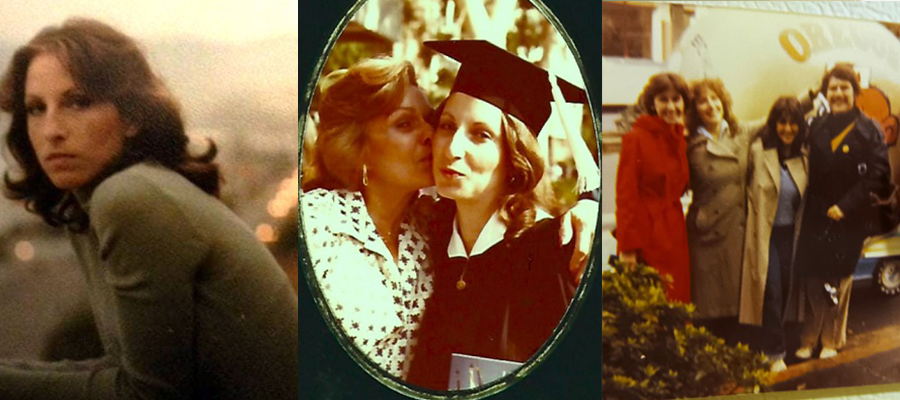
The variety of courses in those early years included the history of cinema, history of dance, and logic (which, like statistics and physics, I loved until midway when equations continued to stump me.) Later courses included European intellectual history of the 19th and 20th centuries, with Russell Jacoby and Peter Loewenberg respectively, where I read a sampling of iconic books such as Mary Shelley’s “Frankenstein” and Marcel Proust’s “Remembrance of Things Past” and Albert Camus’ “The Plague.” One of my memorable moments as an undergraduate was in Loewenberg’s class, where I applied my unique perspective to the course material. He welcomed my offer to give a lecture on the differences between modern dance and classical ballet, and how these genres represented similar cultural and social tensions in Europe and America during the early 20th century. I also had the opportunity to use my dance training to perform in two UCLA student productions, one a master’s thesis live-performance (also on tape) and another from the film department.
American intellectual history with Steven Novack was especially enlightening, but I continued to travel through diverse fields: the controversial scholar Sanford Shaw’s history of the Ottoman Empire; Temma Kaplan’s European women’s history, and Karen Rowe’s literature class, where I read “The Story of O” and “Pride and Prejudice.” I took a class on linguistics, where I learned the art of annotated bibliography, but I don’t recall the connection between that and the subject itself. My academic adventure took me to Jewish intellectual history with Amos Funkenstein, who smoked cigarettes down to the filter, which he held close to his mouth while he coughed throughout his entire lecture. Art history with Albert Hoxie was another wonderful class. The common denominator of all of these courses was the breadth of reading, across time and place, and a luxury not equaled since, even in graduate school.
My favorite places on campus were the north campus food court and the sculpture garden. When I was at Santa Monica College, I used to study in the UCLA law library, but, once attending UCLA, I spent what became the majority of my adult life at the research library.
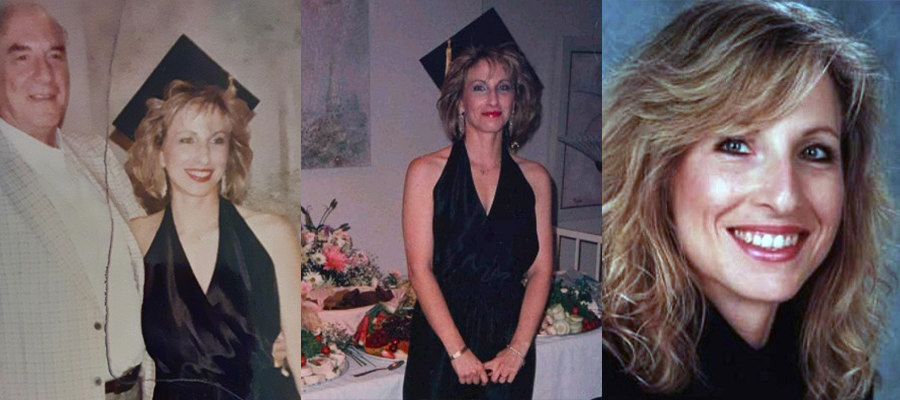
Some of the most memorable times at UCLA were during my two tenures as a student government representative, first as president of the history department’s graduate student association, and then as the president (administrative officer) of the campuswide Graduate Students Association. Along with my classmates, we established the UCLA Historical Journal, and voted to divest students’ monies from banks doing business with South Africa. Because of my work with UCLA’s Oral History office, (receiving a travel grant and publishing of my interviews with two children of the subject of my dissertation), I wrote an article for the Journal’s inaugural issue about the oral history program called “History by Word of Mouth,” which I thought was pretty clever. More personally, having monthly lunches with Chancellor Charles Young and Undergraduate Student Body President Fred Gaines was a rare experience for most students on any campus. Even more so, though, was the opportunity for student government officials and administrative VIPS, along with the football team and the marching band, to spend a week in Japan. Most years, the football away games were within the contiguous 48 states, but this year, UCLA was playing Arizona State in the Mirage Bowl in Tokyo, so that’s where our gigantic entourage went. We arrived on or near Thanksgiving in 1980, and to our surprise, we were served a wonderful traditional holiday dinner which included corn chowder soup, and one I never had before or since.
One night, I tried Kobe beef with a group made up of Chancellor Young, his daughter and other campus executives. It was one of the most memorable dinners I’ve ever had. So was the parade we were in on the way to the stadium, sitting in the huge football helmet on wheels, as was the amazing bullet train to Kyoto, and hanging around with City Councilman Zev Yaroslavsky and his wife, Barbara.
I have always been proud to have earned my B.A., M.A. and my Ph.D. at UCLA. I was then fortunate to join the history department’s team of lecturers until 2001. By that time, I had taught more courses in the U. S. field than anyone had prior, and I suspect that record still holds.
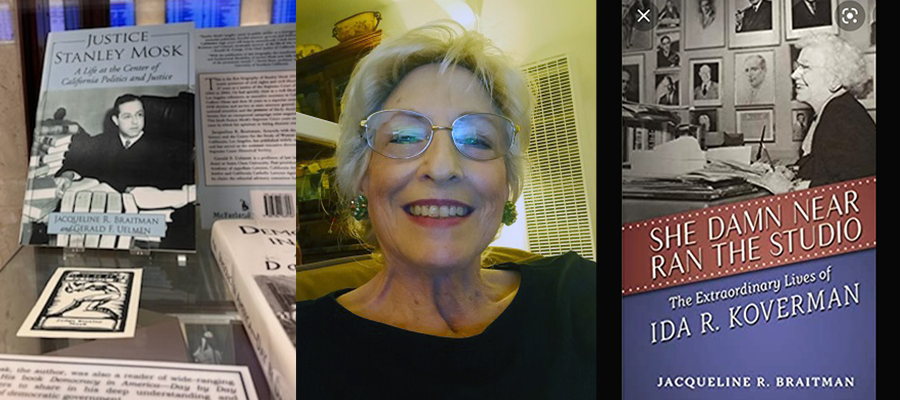
For the future, I hope that UCLA maintains and reaffirms the importance of promoting the humanities and liberal arts, especially among more singularly focused STEM majors. There should be no retreat from the notion that UCLA graduates obtain not just skills applicable to job descriptions, but also offers all students the opportunity to explore a broad-based education in order to become a well-informed citizen, with sharpened critical thinking skills and hopefully having developed a lifelong passion for learning.
There was a strong sense back then that the northern and southern campus landscapes created a divide that fostered competing worldviews, technical specialties and social outcomes — the north, with its humanities and social sciences, and the southern emphasis on engineering, hard sciences and of course, medical professional schools. Building bridges between these two worlds should be encouraged and nurtured for the daunting challenges students will face throughout the 21st century.
Make a Difference
“During my time as a leader in student government, we saw important achievements through, including signing the final agreement to remove all ASUCLA investment in businesses or investment portfolios that did business with the apartheid regime in South Africa.”
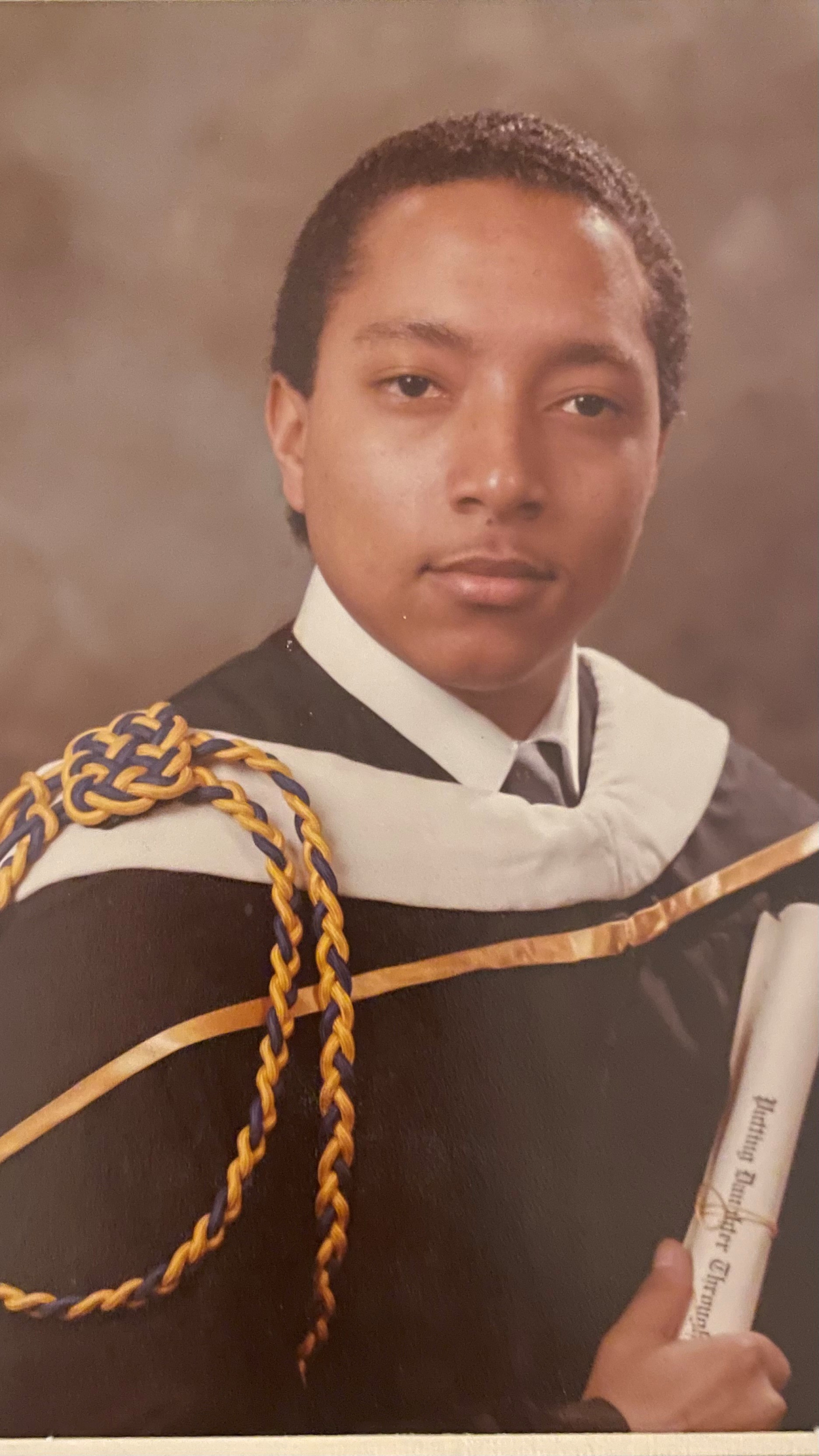
Robert “Bobby” Grace ’84 | Political science
My first year at UCLA did involve some nervousness on my part as I started my studies amongst the undergraduates in Westwood. I remember the large lecture hall where I took Political Science 10 — it seemed cavernous, and was certainly a little intimidating. One space on campus that came to be very important to me was Kerckhoff 400, the large meeting room where the Undergraduate Student Government convened its council meetings. My time as student body vice president and student body president caused me to spend many a night in that ornate room.
Read More
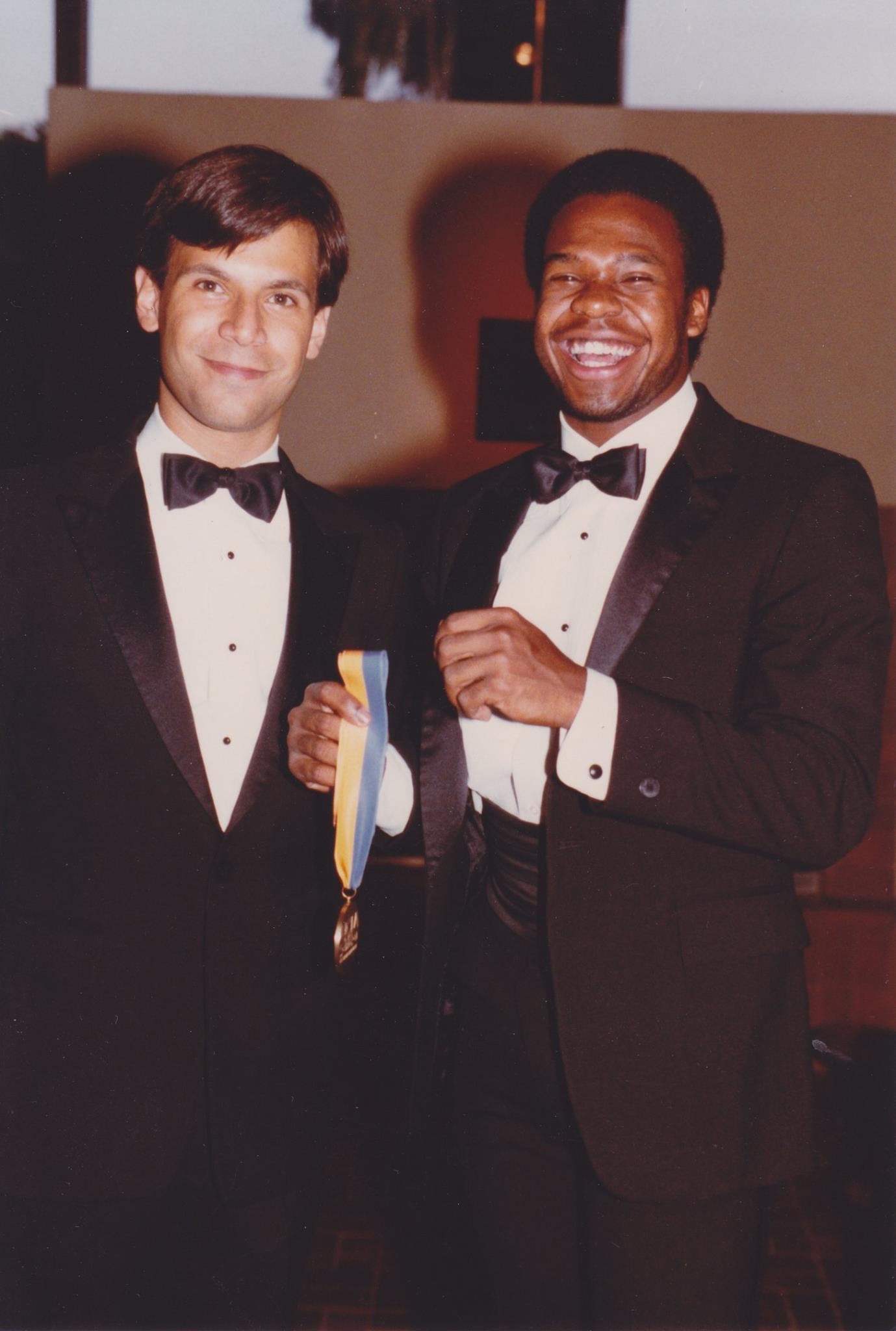
During my time as a leader in student government, we saw important achievements through, including signing the final agreement to remove all ASUCLA investment in businesses or investment portfolios that did business with the apartheid regime in South Africa. In addition, one of my most memorable moments as an undergraduate was being a volunteer with the Prison Coalition and a founder of the Special Education Exposure Project, an outreach program for ninth grade students interested in UCLA.
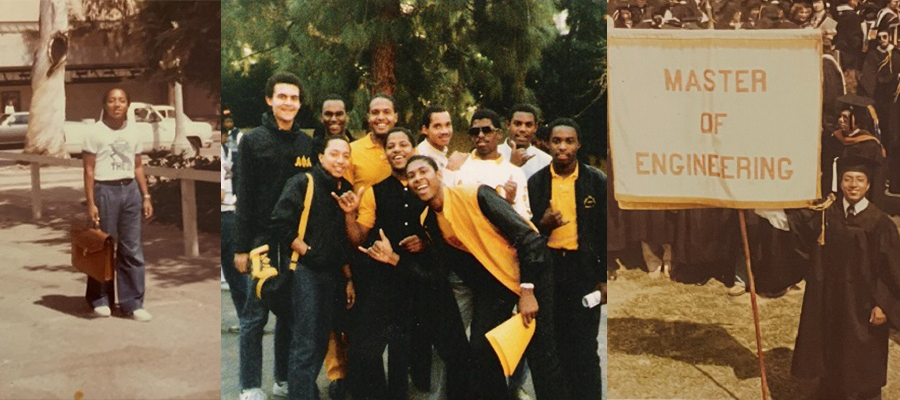
Throughout my undergraduate years, I enjoyed group outings and camaraderie with fellow students in the Freshman Summer Program, which had introduced me to UCLA before I started out as a first-year student. As a political science major, I also enjoyed having political discussions with my friends. My favorite class was “Malcolm X and Black Liberation,” taught by Professor Eugene Victor Wolfenstein.
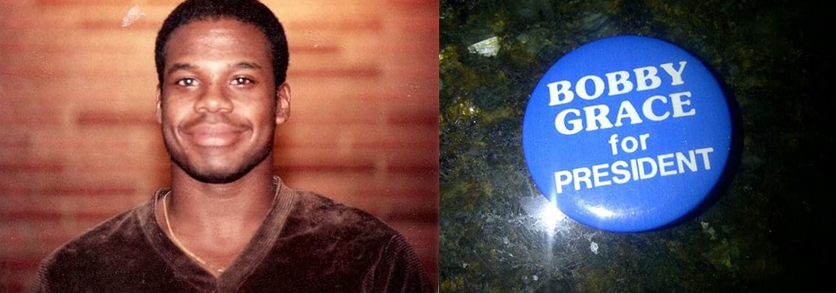
The courses that I took as an undergraduate enhanced my love for electoral politics, and I was able to put that to use in my student government experience as well as in my future career. After graduating from UCLA, I went to Loyola Law School here in Los Angeles, then on to a 30-plus-year career as a deputy district attorney with Los Angeles County.
As we look forward to the next century, I hope the UCLA College will embrace both the challenge and hope that comes with innovations like AI and remote learning — an extremely important consideration as UCLA searches for a new chancellor.
Shape the Future
“In my heart, UCLA has been a part of me ever since the first day I set foot on campus, and I’m still committed to doing the work to help UCLA continue to be the top public university in the country.”
Brett York ’86 | Economics
My journey at UCLA began with a family connection — my brother Scott, who attended four years before me. I recall visits to his dorm rooms and meeting the star football player Jerry Robinson, then going to see him play at the Coliseum (UCLA hadn’t moved to the Rose Bowl yet). My brother would drive me around Westwood, Beverly Hills and Sunset Boulevard in Hollywood, and as a teenager, I was in awe of the glitz and glam, the fancy cars and the huge billboards! He had painted such a vivid picture of campus life and Los Angeles that I couldn’t help but envision myself going to UCLA.
Read More
The Freshman Summer Program provided a wonderful prelude to my UCLA experience. In the program, I forged strong connections despite a rather unexpected encounter with a driver who crashed into my car (while it was parked) only 10 minutes after my parents bid me farewell for six weeks. No sunset drives for me that summer. What really stood out, though, was that my peers in the program — and these were people I had just met — all rallied around me. Some of the people I got to know in FSP turned out to be my lifelong friends; it was the resilience and camaraderie of my fellow FSP participants that left an indelible mark on me.
Dykstra Hall was home during my freshman and sophomore years — a place where I shared dinner tables with athletic Bruin legends like Irv Eatman, Jackie Joyner-Kersee, Flo-Jo and the top players on the UCLA basketball team, who included four star freshmen and a senior (Darren Daye, Rod Foster, Cliff Pruitt, Michael Holton and Mike Sanders). These top athletes were all my dorm buddies.
During that year’s NCAA basketball tournament, when those dorm buddies hit the winning shot in the semifinals, every dorm on campus just exploded. Off we stormed, screaming and running down the stairs — we all ran down to Westwood and started this big bonfire. There must have been thousands of kids there! And it just made me realize: I’m in college; I’ve arrived. That’s what it felt like. We didn’t end up winning the championship that year, but that night and that experience were unforgettable.
Westwood in the early eighties was a vibrant hub, buzzing with activity every Friday and Saturday night. Donna Summer, Prince, Chic and The Sugarhill Gang reigned, with Dillon’s Disco being a go-to spot. Movies played at 2:00 am, and (before the In-N-Out and Diddy Reese crazes) we had Fatburger, with a line of people snaking around the block. The arrival of the ’84 Olympics brought its own surge of energy, turning Westwood into a bustling haven.
Life in the dorms offered a unique blend of stress relief and shared moments, like the collective yelling out of dorm windows during midterms and finals. It was the kind of quirky tradition that made life at UCLA so special — and it was mostly a Rieber and Sproul thing: one person would yelp out, “Rieber!” (high pitched) and then someone from across the way would bellow back, “Sproul!” (low pitched). And it would be infectious to the point where you’d have hundreds of students going back and forth. It was just one of those funny things unique to dorm life at UCLA.
Although I was an economics major, my academic journey was enriched by many other courses in music, languages and the arts. Some of the more noted UCLA professors included Mazisi Kunene, teaching about Shaka the Great; Kenny Burrell’s history of jazz course, with guest appearances by luminaries like Miles Davis, also stands out as a highlight. The energy and passion of professors like Beverly Robinson in African American theater arts left an enduring impact, shaping my lifelong appreciation and connection to UCLA.
Bruin Walk and Kerckhoff Hall each hold a special place in my heart. They were gathering spots for students of color in the eighties. The Black Student Union, now known as the Afrikan Student Union, was housed in Kerckhoff, and during my time at UCLA I served as the BSU’s program coordinator. During my tenure, we organized and hosted the first statewide UC BSU Undergraduate Summit. Additionally, every Wednesday on the “Walk” near Kerckhoff, all of the Divine 9 organizations (Black Greek fraternities and sororities) at UCLA would socialize between noon and 2:00 pm. I served as president of the Gamma Xi Chapter for Alpha Phi Alpha Fraternity, Inc. (which is the oldest intercollegiate African American fraternity, founded in 1906). I was also recognized as Alpha’s Western Regional College Brother of the Year.
Serving as the vice chair of the Program Activities Board through USAC was both enlightening and satisfying, as I was able to help fund a diverse slate of programs both on and off campus. The Special Education Exposure Project, aimed at guiding future Bruins, was always a favorite program — and as a UCLA Black Alumni Association board member today, I am still committed to paying it forward and supporting scholarship, admissions and student life enhancing initiatives. I was also involved in initiatives that served the community through support, mentorship and leadership, including the Jefferson Tutorial Project and the Prison Coalition. During my commencement, I wore a special blue-and-gold shoulder fourragère, which is an acknowledgement of being a Chancellor’s Marshal — a distinction awarded to students who made significant contributions to UCLA and/or the surrounding Los Angeles community through a sustained record of outstanding service.
Being an involved student at UCLA was a transformative experience that opened my eyes to a vast array of dynamics, offering valuable lessons about life’s complexities — both the uplifting and the challenging. As I assumed various leadership roles on campus, I found myself not only navigating the intricacies of university life, but also becoming attuned to global issues that reverberated in our campus world and the surrounding communities.
The early eighties marked a period of heightened social awareness and activism, and UCLA was a crucible where these global issues found a resonant voice. The call to divest from banks investing in South Africa during the apartheid era was another impactful moment in my UCLA journey. The protest against apartheid prompted a collective push for UCLA to divest from institutions that supported the oppressive regime. This involved not only vocalizing our dissent but also taking concrete actions, such as resisting the installation of ATMs on campus affiliated with banks investing in South Africa.
These experiences taught me the profound power of protest at UCLA. It was more than just expressing discontent; it was a demonstration of the university community’s ability to effect change, challenge unjust systems and stand in solidarity with global struggles for justice. The lessons learned during those tumultuous times continue to resonate, highlighting the enduring importance of activism, advocacy and the pursuit of a more just and equitable world.
As I reflect on those years, I recognize that UCLA was not just a place of academic learning but a place where students could actively engage with the pressing issues of our time. It was an environment that fostered critical thinking, social consciousness and the belief that our collective actions could shape a better future.
After graduation, I moved back up to Northern California and married my high school sweetheart. I didn’t miss Los Angeles that much, but I absolutely missed UCLA. So I got involved as an alumnus with the UCLA Alumni Association, and I’ve been a committed volunteer for the last 30+ years, serving in some aspect on scholarships, admissions or at a board level with the Alumni Association. Currently, I am also serving on the board for the UCLA Black Alumni Association. In my heart, UCLA has been a part of me ever since the first day I set foot on campus, and I’m still committed to doing the work to help UCLA continue to be the top public university in the country.
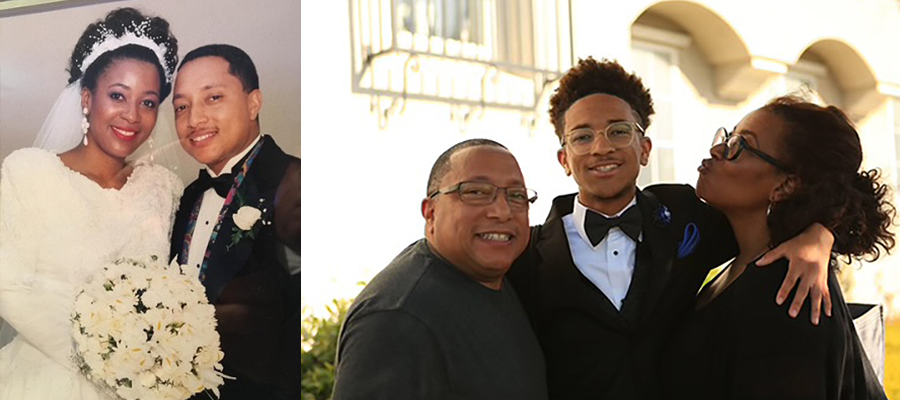
Looking back at the legacies of leaders, professors, mentors, colleagues and friends that I have had the privilege of encountering at UCLA — including people such as Winston Doby, Joan Nelson, Viscount “Berky” Nelson, Halford Fairchild, Youlonda Copeland-Morgan, Julie Sina, David Morgan, George Brown, Patricia Nguyen, Dr. Denise Pacheco, Peter Taylor, Bobby Grace, Mandla Kayise, John Caldwell, Eric White, Makani Themba, King Bishop and countless others — I am overwhelmed with gratitude.
The wealth of knowledge, guidance and support I received from each of these remarkable individuals has been instrumental in shaping the person I am today. Their commitment to excellence, passion for education, and unwavering dedication to fostering an inclusive and vibrant community have left an indelible mark on my UCLA experience and, indeed, my life journey.
Reflecting on the tenures of Chancellors Charles Young, Albert Carnesale and Gene Block, I am struck by the remarkable progress and accomplishments that have shaped UCLA into the esteemed institution it is today. Their visionary leadership has not only elevated the university’s standing nationally, but has also propelled UCLA onto the global stage.
Chancellor Block, in particular, has left an indelible mark during his tenure, steering UCLA through a dynamic period of growth, innovation and societal impact. His commitment to academic excellence, diversity and inclusivity has been instrumental in shaping the university’s character and mission.
As we look to the future, it is my sincere hope that UCLA continues on this trajectory of greatness. I envision a leadership that not only sustains the legacy of its predecessors, but also pushes the boundaries of conventional wisdom. Our aim should be nothing short of making UCLA the preeminent university not only in the country, but on a global scale.
Crucial to this vision is the continued support for diverse groups and the active cultivation of diverse perspectives. Embracing a multiplicity of voices and experiences enriches the academic environment, fosters innovation and equips students to thrive in an increasingly interconnected world. I hope that UCLA remains at the forefront of championing inclusivity, equity and representation.
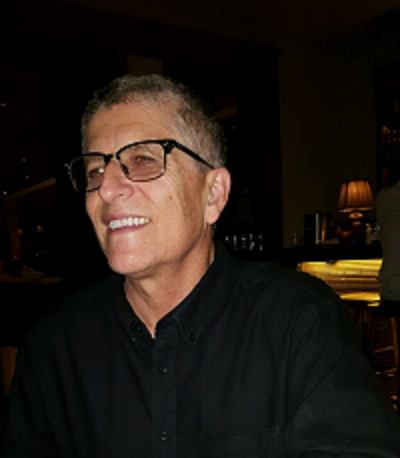
Discover Passions
“While at UCLA I experienced the microcomputer revolution. Later, I experienced the Internet revolution, and now I’m experiencing the third revolution in AI. I like to think my UCLA legacy is being in a prime position to take advantage of each of these revolutions.”
Daniel Gutierrez ’78 | Math and computer science
As an incoming freshman I was experiencing distinct imposter syndrome, not sure what I was doing at such a prestigious institution. I was a young 17-year-old and lacking confidence that I could compete, but after my fall quarter grades came in, I did pretty well, so I felt less overwhelmed the rest of the year. My freshman calculus series was most memorable due to the superb teaching methods of my professor Raymond Redheffer.
Read More
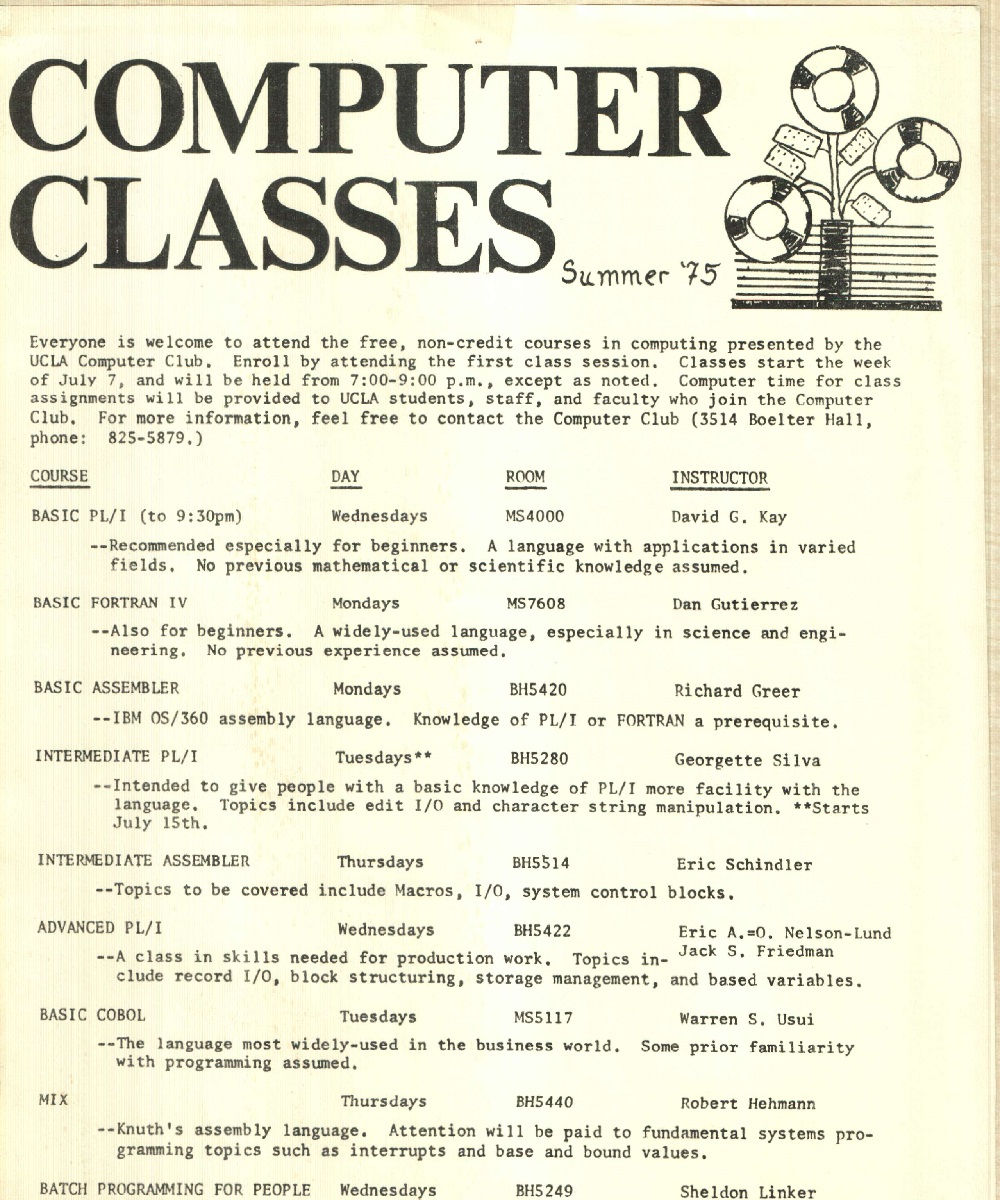
As part of my participation with the UCLA Computer Club, I volunteered to teach some of the free evening computer classes brought to the campus by the club. Through this experience I discovered my love of teaching that continues to this day as a UCLA Extension instructor. I also remember all the time I spent in Pauley Pavilion watching the likes of Bill Walton during the basketball championship years.
There are way too many “favorite places” around UCLA’s beautiful campus, but if I had to choose one, it would be the Kerckhoff Hall coffeehouse where I spent many hours studying, meeting with friends and enjoying the college lifestyle.
I savored all the CS classes required for my major. Having Leonard Kleinrock (father of the Internet) as a professor was particularly memorable. At the time, I didn’t appreciate all the math and stats classes I had to take, but later in life I greatly appreciated the knowledge I acquired because it helped me a great deal for my career as a data scientist today.
UCLA represented a transformational time for me. I learned how to think at UCLA. Going to UCLA was one of the most important decisions I ever made in my life.
While at UCLA I experienced the microcomputer revolution. Later, I experienced the Internet revolution, and now I’m experiencing the third revolution in AI. I like to think my UCLA legacy is being in a prime position to take advantage of each of these revolutions.
The early 1970s was a turbulent time in the U.S. and at UCLA. Anti-Vietnam War and civil rights protests were frequent around campus. Also, I recall many lunchtimes spent in the crowd around Meyerhoff Park listening to comedian, activist and aging hippie/bohemian “Swami X” with his common refrain “M*****F*****” what do you care about the revolution!?”
I’m pretty happy with UCLA’s role in the world. It makes me proud to be associated with the No. 1 public university. I hope the school continues its leadership in educating generations to come.
Inspire Future Generations
“In economics at UCLA, I was exposed to some of the brightest minds in the field. I didn’t realize this until I went on to graduate school at another university, and found that the stuff that they were teaching me I’d already had as a junior at UCLA.”
Sidney Blumner ’60, M.A. ’61 | Economics
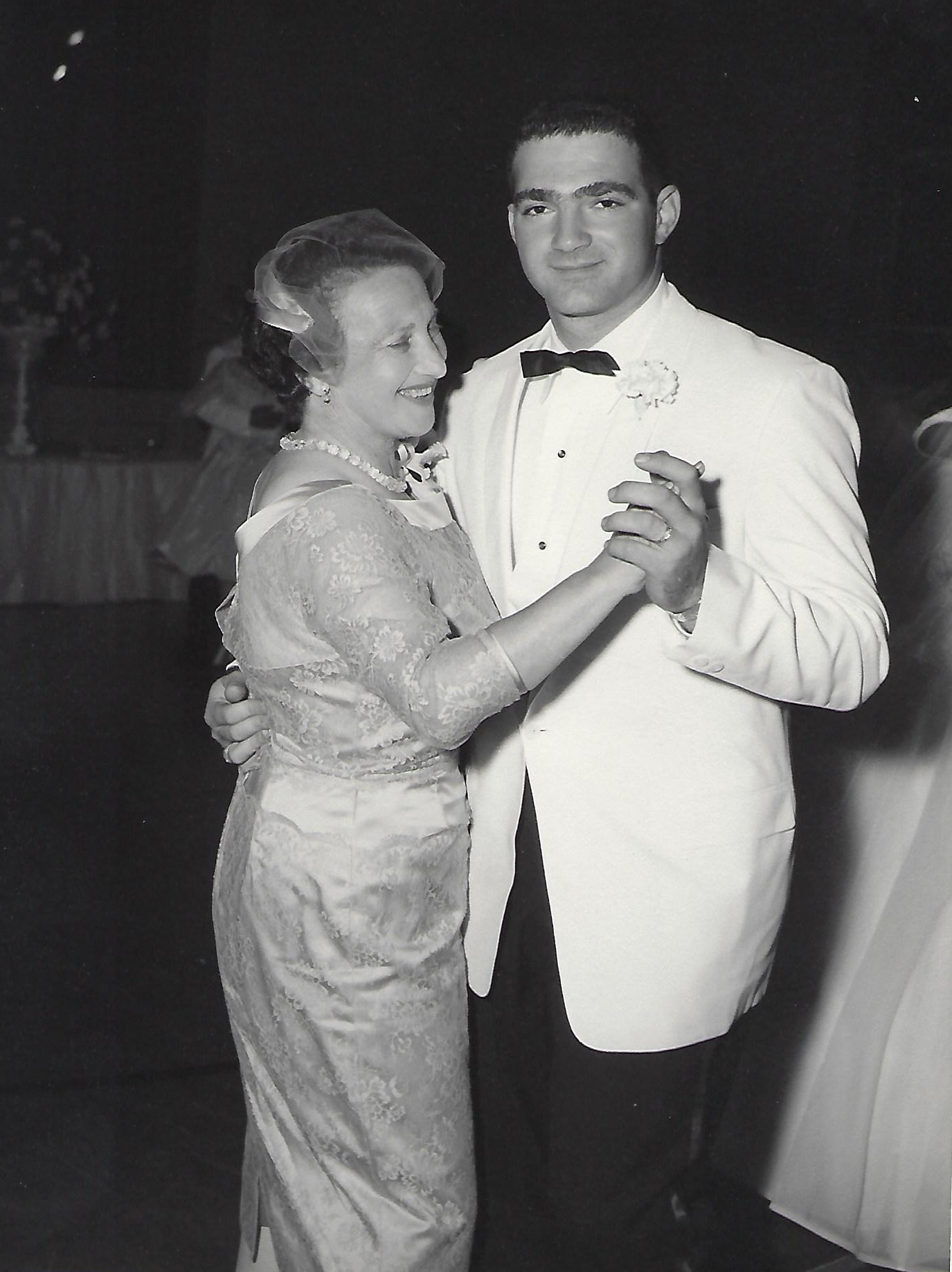
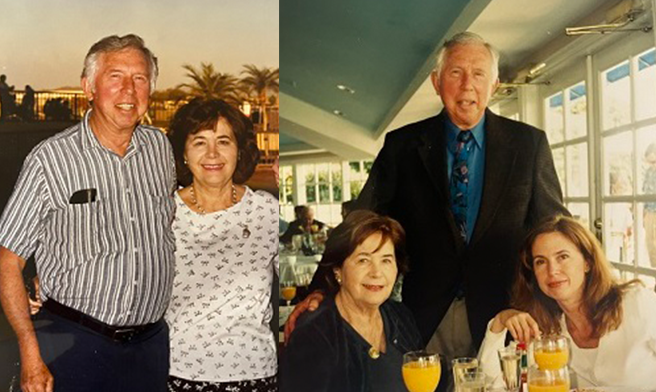
When I was growing up in South Los Angeles in the forties and fifties, my best friend lived down the street. He was going to go to USC, and so I wanted to go to there, too. My mother would not hear of it — she said, “Why would you want to go to USC when you can go to UCLA?”Left: On his wedding day, dancing with his mother, the late Annette Blumner ’29.
Read More
I was excited to be admitted. My mother wanted me to stay on campus, because she’d never had that experience herself. And I did work during the summers, but not during the school year; I’m an only child, and my parents made sacrifices in order for me to be able to live on campus.
Only six people out of my high school graduating class went to UCLA, so I joined a small fraternity when I got there, and I relied on my fraternity brothers to help me decide which professors to take. We made some great memories — we even stole Tommy Trojan’s sword; it was made of wood, and we took it, we got it. I had a lot of fun and went to all the football games.
I was a pretty naïve kid, and as an undergrad I worked really hard at being cool. Powell Library at the time had the Undergraduate Reading Room, and that’s where everybody hung out. There, or on the wall near the co-op at Kerckhoff Hall — in the mornings, the guys would sit on that wall and just do what guys do. I’d spend my time in the reading room or near the co-op, smoking a pipe and chasing co-eds, thinking I was cool.
I come from a family of intellectuals — they liked opera, they liked reading, they went to plays — and so I loved learning. I started out as an accounting major, because the girl who I was dating, who today is my wife of 63 years, was studying accounting. But I didn’t like it, so I changed majors several times.
I finally switched to economics. My mother told me about an economics professor she’d had when she was at UCLA in the 1920s — she said he was quite young and handsome. Well, I’ll be darned if this guy wasn’t still teaching at UCLA in 1958 — so you’re talking 30 years later, right? I ended up taking a class with him, but the “young and handsome” professor was now 70-plus years of age. We laughed about it for years.
In economics at UCLA, I was exposed to some of the brightest minds in the field. I didn’t realize this until I went on to graduate school at another university, and found that the stuff that they were teaching me I’d already had as a junior at UCLA. And they never spoon-fed you — they professed knowledge to you, and it was your job to absorb it.
I learned a lot, but by senior year, I still wasn’t sure what I wanted to do; I felt lost. And two of my economics professors, Charles Tiebout and Thayne Robson, basically took me under their wing, and spent a lot of time just talking to me — not about the theory of economics, but about life. That influenced my whole career; it’s why I decided to go to graduate school, and eventually became a professor at Cal Poly Pomona and a lifelong educator myself. And I’ve tried as best I could to pay forward what they gave to me.
While I was at UCLA, it was the golden age of education. Beyond my major, I took what they called “breadth courses,” just for learning’s sake; my favorites were music appreciation with Paul Des Marais and Geology 101 — geology for non-majors — with William Putnam. They both really made the material come alive, and those courses broadened me as a human being. I’m 84 now, and I was 21 then, and I still feel the impact they had on me.
I hope UCLA continues to offer that kind of well-rounded education to its students, and not only courses intended to further careers. I hope, too, that UCLA will hold on to many of its traditions, as I don’t like when these are abandoned — for example, USC still has the same fight song it always had, while UCLA has changed theirs. I don’t see why it had to change. I’m really opinionated when it comes to that stuff!
I still get great vibes thinking about my time at UCLA. My wife and I both lived on campus, did all the football things together and made some great friends. It really was the golden age of education, and it was a wonderful time.
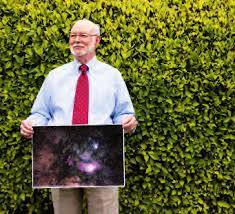
Lead the Way
“I am forever grateful for the excellent education I received and the opportunity to develop professionally throughout my career as both a UCLA College professor and then dean of the division of life sciences.”
Fred Eiserling ’59, Ph.D. ’64 | Bacteriology and microbiology
What I remember most about my first year at UCLA is lots of driving from West Torrance to UCLA with no freeway, parking, big classes, night labs in chemistry, very busy. I was excited to be a student at UCLA, but I had no particular favorite place on campus because I had to drive home to Torrance every day.
Read More
I remember getting a job that helped me pay the semester costs of $40 a year, that, by the way, then went to $80/year. I received $25/week as a lab assistant and got $1.25/hour. My gas cost was $0.29/gallon.
My favorite class was introductory bacterial genetics, taught by Professor Romig. This class presented new ideas in microbiology. Another class in astronomy was especially memorable — particularly the plotting of the 1957 Sputnik orbit.
As an undergraduate, I had great collegial classmates as friends, and smaller classes meant more faculty attention for us. As a graduate student, I was lucky to get a job in the laboratory of Professor Sjostrand, in another department, who focused on electron microscopy. My favorite part was learning to use the electron microscope and using it to study viruses in my microbiology department.
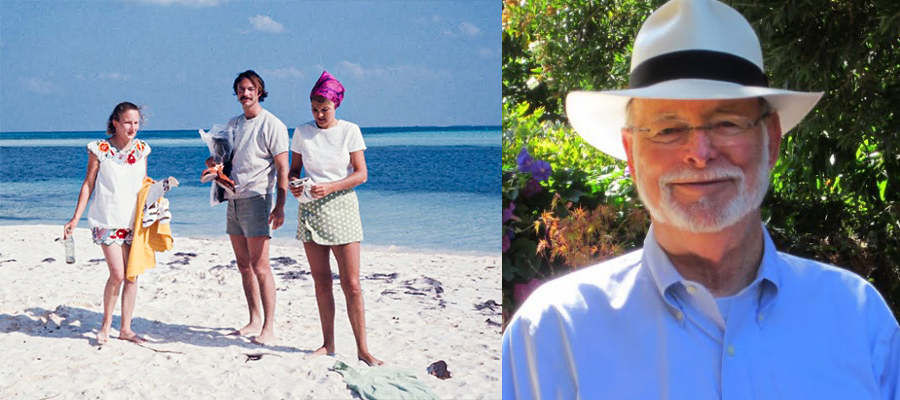
I am forever grateful for the excellent education I received and the opportunity to develop professionally throughout my career as both a UCLA College professor and then dean of the division of life sciences.
In the early 1950s, UCLA bioscience was not strong. I had to go to Cal Tech for the newest information. UCLA became much stronger in the 1980s and has continued to improve and gain national recognition.
When I think about my UCLA College legacy, three main things come to mind. First, we changed from single department introductory classes to integrated science courses for undergraduates. Second, we got rid of many old lab courses, enabling undergraduates to do major amounts of real research with faculty. And third, we were able to join the UCLA College and medical school microbiology departments into one unit and to appoint Sherie Morrison as the chair.
My hope for the future is closer interaction between all College science departments and engineering, medicine and public health.
Accomplish Transformative Change
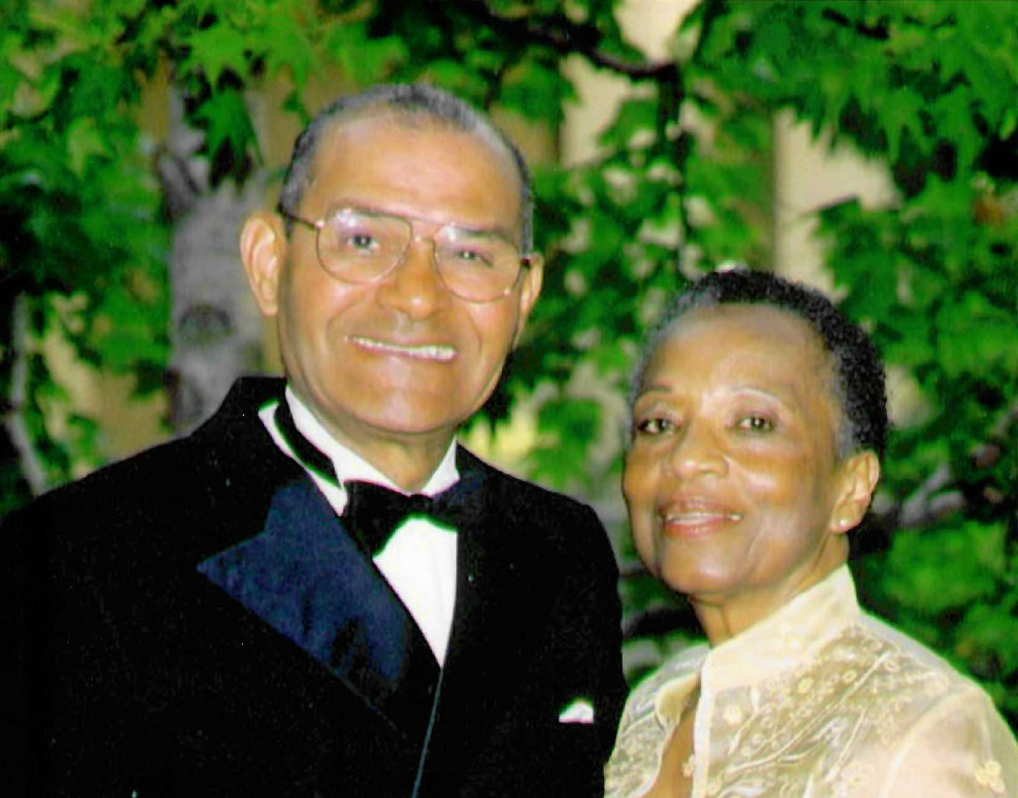
“The Black community at UCLA was small and intimate. Billy and Rubye made lifelong and close friendships with their classmates, many of which lasted as long as their 66-year-long marriage.”
Billy G. Mills ’51, J.D. ’54 | Political science
Rubye J. Mills ’51, M.Ed.’74, Ed.D. ’81 | Psychology
Billy transferred to UCLA from Compton College after a distinguished football career. He was recruited to play quarterback but did not play; instead, he focused on academics. Rubye spent all four years at UCLA and pledged Alpha Kappa Alpha Sorority, Inc., the first intercollegiate, historically African American sorority. Sometime thereafter, Billy pledged Kappa Alpha Psi. They met sometime after 1949.
Read More
The Black community at UCLA was small and intimate. Billy and Rubye made lifelong and close friendships with their classmates, many of which lasted as long as their 66-year-long marriage.
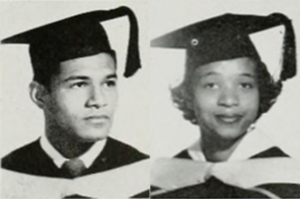
In the 1940s and 1950s, when America’s culture and society were proverbial and actual battlegrounds, UCLA was a haven for smart, talented, kind and caring leaders that envisioned, developed, pursued and accomplished transformative changes as significant as those of graduates from any university in the world. The list of notable Black alumni from the period includes Jackie Robinson, Tom Bradley, Yvonne Braithwaite Burke and Diane Watson.
After graduating from the UCLA College in 1951 with a bachelor’s degree in psychology, Billy went on to become the first Black graduate of UCLA Law School in 1954. He served honorably in the U.S. Army, was a father of five (including twin girls), and was one of the first Black members of the Los Angeles City Council (District 8). In 1974, he was appointed to the Los Angeles Superior Court, where he served with distinction for 15 years. He was awarded the UCLA Alumni Association Public Service Award in 2003.
Rubye became a mother of five, joined the Los Angeles Unified School District as a teacher, and obtained her master’s degree in education as well as her doctorate of education from UCLA. She was a school principal and retired as an administrator for LAUSD in 1989. Both Billy and Rubye served in leadership with numerous civic organizations; Rubye passed away in 2017.
Their children hope that Billy and Rubye Mills will stand as symbols of service, family and achievement, of which UCLA was a significant incubator. Our parents loved UCLA, the times they had there, the friends they made and the doors it opened for them. They couldn’t be prouder to be UCLA alumni.
Submitted by William K. Mills and Karol Mills
Make History
“In my mind, UCLA has always been the epitome of what it means to go to college. To be able to say that I went there makes me so proud and happy.”
William A. Reilly ’47 | History
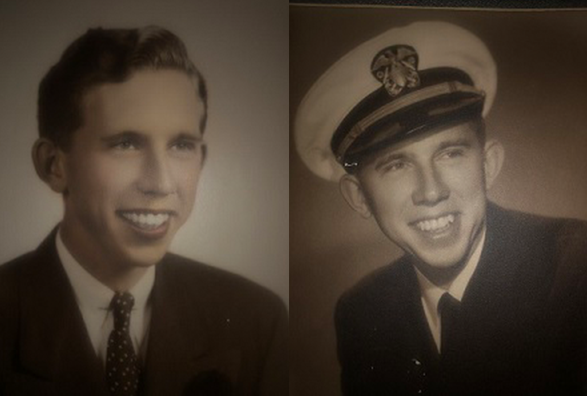
Left: High school graduation, 1940; in uniform at age 21
Read More
I wasn’t really nervous to go to UCLA. My sister Mary Jane Reilly ’42 preceded me by two years, so I knew what to expect. There were no dormitories on campus then, other than one dormitory for 60 girls called Hershey Hall, and houses for fraternities and sororities close to campus. I’d walk to school or drive a car or take a bus, because we lived about an hour away from campus.
I did not join clubs or activities, really, because of commuting. My sister was in a sorority, though, and she would employ me and a couple of other friends of mine as waiters whenever her sorority had a dinner or event. My sister was in the sciences and spent most of her time in the building behind the library, so I didn’t see her that often; we each did our own thing. There were only eight buildings on campus when I was there, and they had just completed the ninth one.
One thing that surprised me was that the freshman and sophomore male students had to be in the ROTC. We all had uniforms and we met, marched around and studied whatever they wanted to teach us.
Apart from that, sometimes it felt like high school. Back then, UCLA had only 5,000 students, so at lunchtime a lot of students would congregate on the quadrangle there in front of Hershey Hall, or in front of the library and Royce. One thing that did stand out to me, though, was that all of our classes were taught by men who were full professors, not assistants or anything. All in all, I knew it was a great opportunity to learn.
When you went to UCLA then, you were required to take a science. I took geology, and it was my favorite class — in retrospect, I should have continued studying it, because I liked it so much. But my dad was a teacher and my uncle was a teacher, and I never even thought about doing anything other than majoring in history and becoming a history teacher. Looking back, I see I had many choices, but I never once thought about changing what I was going to do, and nobody ever told me to, either.
The first history course I took at UCLA was on English history, and then the next one was on U.S. history, which is the topic I enjoyed the most. I still remember a lot of things we learned in that class, and enjoy talking about them when they come up. I have always liked history.
I always enjoyed seeing Kenny Washington and Jackie Robinson on the field and on campus! Once I saw Kenny Washington throw a pass 70 yards, the longest pass of the time.
My favorite place on campus was Kerckhoff. You’d go down there to get something to eat or to see people you knew. I also liked the library — we often went there to study or to get a book that we might want to read, or that some professor had recommended.
I was on track to graduate from UCLA with my classmates in 1944, but then the war came along. The Navy called me up when I was just a semester short of getting my degree, but I returned after the war and graduated with the class of 1947.
Seeing the college campuses my children and grandchildren have gone to and what they’re doing now is 180 degrees difference from what my experience was. All my children graduated from schools in the UC system. I didn’t need to give them advice about that — I’m proud of everything they do, and proud that they accomplished most everything that they wanted to.
READ MORE ABOUT WILLIAM A. REILLY ’47 at the UCLA Alumni Association.
Blaze Trails
“How one handles hardships makes you a better person. You accept it and make the best of it.”
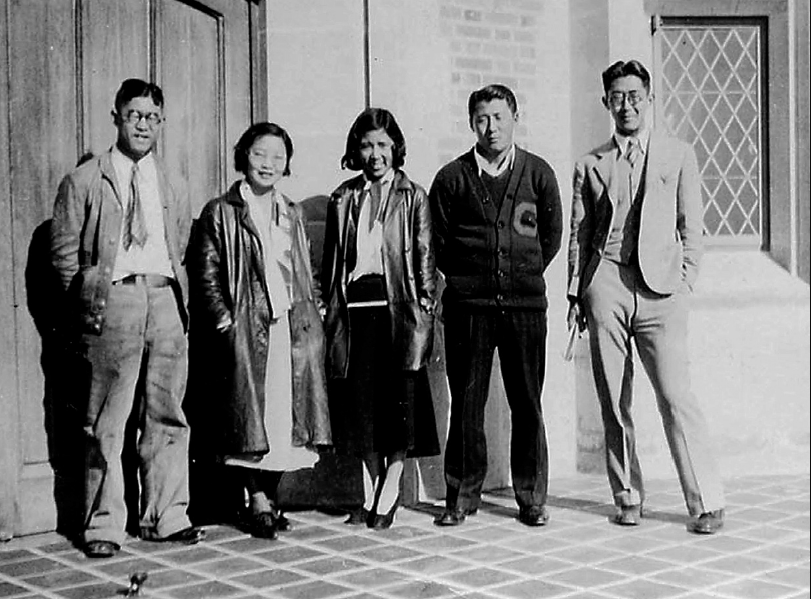
Kiyoshi Patrick Okura ’33, M.A. ’35 | Psychology
Kiyoshi Patrick Okura was the first Japanese American student to play varsity baseball at UCLA, as well as a founding member of the Japanese American Bruins Club. After earning his master’s degree — becoming the first Asian American to receive such a master’s degree in psychology at UCLA — Okura was frustrated by the difficulty in finding suitable work.
Read More
He challenged the city of Los Angeles’ segregationist hiring practices and succeeded in becoming the first Japanese American to work for the Los Angeles Civil Service Commission. After the attack on Pearl Harbor, he was falsely accused of using his position to run a spy network and forced to resign, although charges were later dropped.
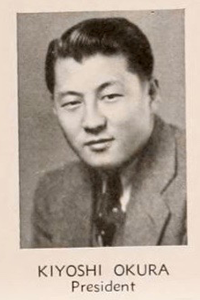
In 1941, Okura was sent to the Santa Anita Park internment camp, where he and his wife, Lily, lived in an 8-by-8-foot tack room in a horse stable. He was able to leave internment when Rev. Edward Flanagan, founder of the nonprofit Boys Town, sponsored about 50 Japanese American families and brought them to Omaha, Nebraska. Okura became Boys Town’s staff psychologist and later worked for the National Institutes of Health, creating programs for minority communities.
Okura also became a leader of the Japanese American Citizens League, the oldest and largest Asian American civil rights organization in the U.S. He was honored by the JACL as a “Japanese American of the Biennium” in 1978, and by the emperor of Japan in 1999. In 1988, President Ronald Reagan signed the Civil Liberties Act, which offered a formal apology and financial compensation for surviving victims of incarceration during World War II. The Okuras used their reparation funds to cofound the Okura Mental Health Leadership Foundation, promoting leadership, research and training in human services. They also donated their papers to UCLA, a testament to lives of service.
In an interview with The Washington Post in 1990, the 79-year-old Okura spoke about the experience of receiving a federal redress for the crimes he suffered.
“Despite the injustices that may exist in our system of democracy, if you stick to it, if the cause is right, then you do have a chance of righting the wrong,” he told the paper, going on to say, “How one handles hardships makes you a better person. You accept it and make the best of it.”
Adapted from UCLA Alumni Connect with thanks to the UCLA Alumni Association.
Create a Legacy
“Anyone can succeed if they just do the work; you don’t have to be a genius to make it.”
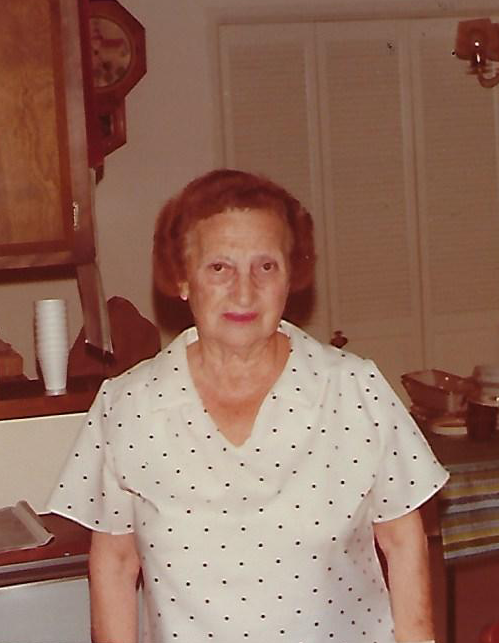
Annette Blumner ’29 | Physical education
My mother, Annette, was thrilled to go to UCLA. She was part of the last class to graduate on the old Vermont Avenue campus, where L.A. City College is now. On her first day at school, she wore the first new dress she ever owned, which her sister had bought for her as a gift. Her family was very poor — they had immigrated from Romania, though my mother herself was born in the U.S.
Left: At home in the 1980s. Courtesy of her son, Sidney Blumner ’60, M.A. ’61.
Read More
Her sister, Celia, was eight years older and had attended UCLA when it was still the Los Angeles Normal School. I remember her telling me that Celia would wrap bread in a factory till five o’clock in the morning and then go to school. The family had come here speaking no English at all; they were a real American success story.
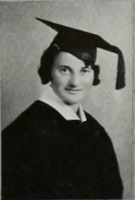
How my mother chose her major was interesting. She had planned to be a history major, but when she got in line to register, the line was very long. But she saw one of her friends standing in the line for physical education majors — the friend called her over, and that line was much shorter, so she signed up to be a P.E. major.
She wasn’t involved in clubs or sororities on campus, because she had to work while she was a student, just as her sister had, but she was very proud of her time at UCLA. And she told me that they never had beaten USC when she was there. One thing she’d always say was, “Anyone can succeed if they just do the work; you don’t have to be a genius to make it.”
She graduated just as the Depression started, and went to work in L.A. city elementary schools as a P.E. teacher and substitute teacher. She eventually became a principal at a school that taught special needs students, and was a lifelong educator.
My mother had fond memories of the old Vermont campus. She was part of the “Pioneer Bruins” — people who had gone to school at the original campus, before the move to Westwood — and she attended class reunions well past her 100th birthday. And she did visit the new campus — she was there for my graduation, of course.
She was a loyal Bruin to the end, and died in 2015 at 108 years young. I still can’t quite believe that she’s gone.
Submitted by Sidney Blumner ’60, M.A. ’61