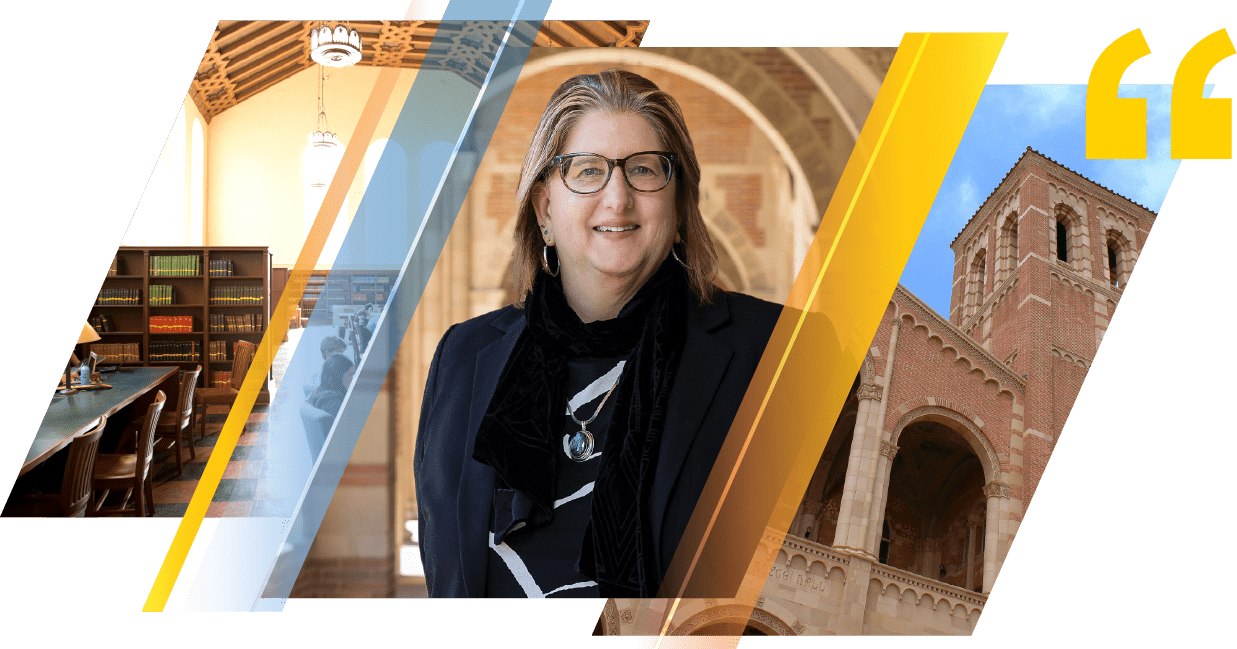
“In the Division of Humanities, we explore the rich human legacy of literature, philosophy, religion, languages and cultures, cultivating graduates who can respond with creativity and vision to today’s challenges.”
Alexandra Minna Stern
Dean of Humanities
Art History
Asian Languages and Cultures
Classics
Comparative Literature
English
European Languages and Transcultural Studies
Indo-European Studies
Linguistics
Near Eastern Languages and Cultures
Philosophy
Slavic, East European and Eurasian Languages and Cultures
Spanish and Portuguese
Alan D. Leve Center for Jewish Studies
Center for 17th- and 18th-Century Studies
Center for the Study of Religion
CMRS Center for Early Global Studies
Global Antiquity
Pourdavoud Institute for the Study of the Iranian World
Program in Digital Humaniites
Stavros Niarchos Foundation Center for the Study of Hellenic Culture
Writing Programs
Yarshater Center for the Study of Iranian Literary Traditions